
During a pivotal meeting on July 23, NCAA power conference commissioners reached a landmark decision to implement new roster size limits, setting the stage for athletic departments to allocate millions of dollars in additional scholarships. This groundbreaking resolution primarily impacts key sports, with NCAA basketball at the forefront of the changes.
According to a report from Yahoo Sports’ Ross Dellenger, the restructuring includes significant adjustments for football, which currently has an 85-scholarship cap and an overall roster limit of 105 players. For the 2025-26 school year, the total roster limit will remain at 105 players, but the scholarship allotment will increase by 20. Notably, the 105-player limit might only be enforced at the start of the regular season, allowing coaches to exceed this number during preseason camp. This mirrors the NFL’s approach, where teams can start training camp with up to 90 players before reducing the roster to 53 for the regular season.
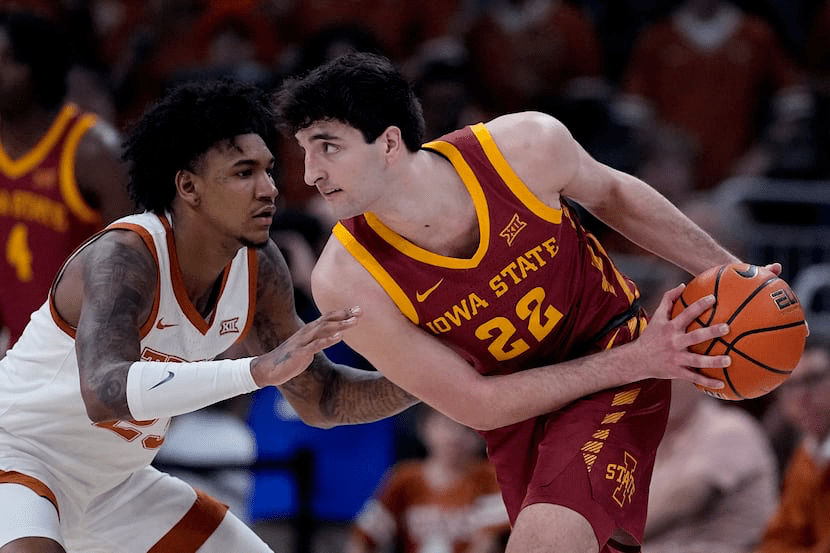
However, the most substantial changes are seen in NCAA basketball, emphasizing its importance within collegiate sports. Both men’s and women’s basketball programs will see an increase in scholarship limits from 13 to 15. This adjustment alone adds over 700 new Division I scholarship opportunities, significantly enhancing the landscape for aspiring college basketball players.
Beyond basketball, other sports will also benefit from increased scholarships. Baseball will see a dramatic rise from 11.7 to 34 scholarships, softball will increase from 12 to 25 scholarships, and women’s volleyball will expand from 12 to 18 scholarships. Including football, these new regulations introduce approximately 60 additional scholarships across the six highlighted sports.

The finalization of these roster and scholarship figures is anticipated to coincide with the filing of the agreement in the House v. NCAA antitrust lawsuit, expected on Friday. This settlement will not only distribute nearly $2.8 billion in back pay to former athletes but also formalize a new NCAA revenue-sharing model, marking a transformative moment for collegiate athletics.
In essence, the increased scholarships, particularly in NCAA basketball, symbolize a monumental shift, offering more opportunities for athletes and reinforcing the sport’s central role within the NCAA’s framework. This evolution underscores a commitment to supporting athletes’ educational and athletic pursuits, ensuring a brighter future for NCAA basketball and beyond.
 Unit 1 Hoop Source