
The rise of the transfer portal has completely reshaped the landscape of college basketball, creating both opportunities and challenges for players, coaches, and programs alike. While it allows athletes greater flexibility to find the right fit, it also raises questions about player development, team chemistry, and the overall direction of the sport.
For young athletes navigating the transfer portal, the biggest question they should ask themselves is: What am I truly looking for? Are they transferring to find a better opportunity to develop and contribute to a winning culture, or are they simply seeking more playing time, exposure, or NIL opportunities? The difference between these motivations often determines whether a transfer will be successful or just another stop along the way.

The Shift in Player Development and Loyalty
Traditionally, college basketball was about long-term development. Freshmen would work their way up through a program, gaining experience and learning the system. Now, with the portal, many players opt for a quick exit rather than sticking through adversity. This shift has led to a decline in player patience, with many transferring after just one season rather than working to improve within their current environment.
But what happens when players repeatedly transfer? While some genuinely find a better fit, others risk stunting their own development. Constantly switching teams means adapting to new systems, coaching styles, and teammates, which can hinder a player’s ability to master their craft.
What Coaches Are Really Looking For
Many people assume that coaches are only searching for top scorers or highlight-reel players, but in reality, the best programs prioritize team-first athletes who bring more than just stats. Winning requires players who:
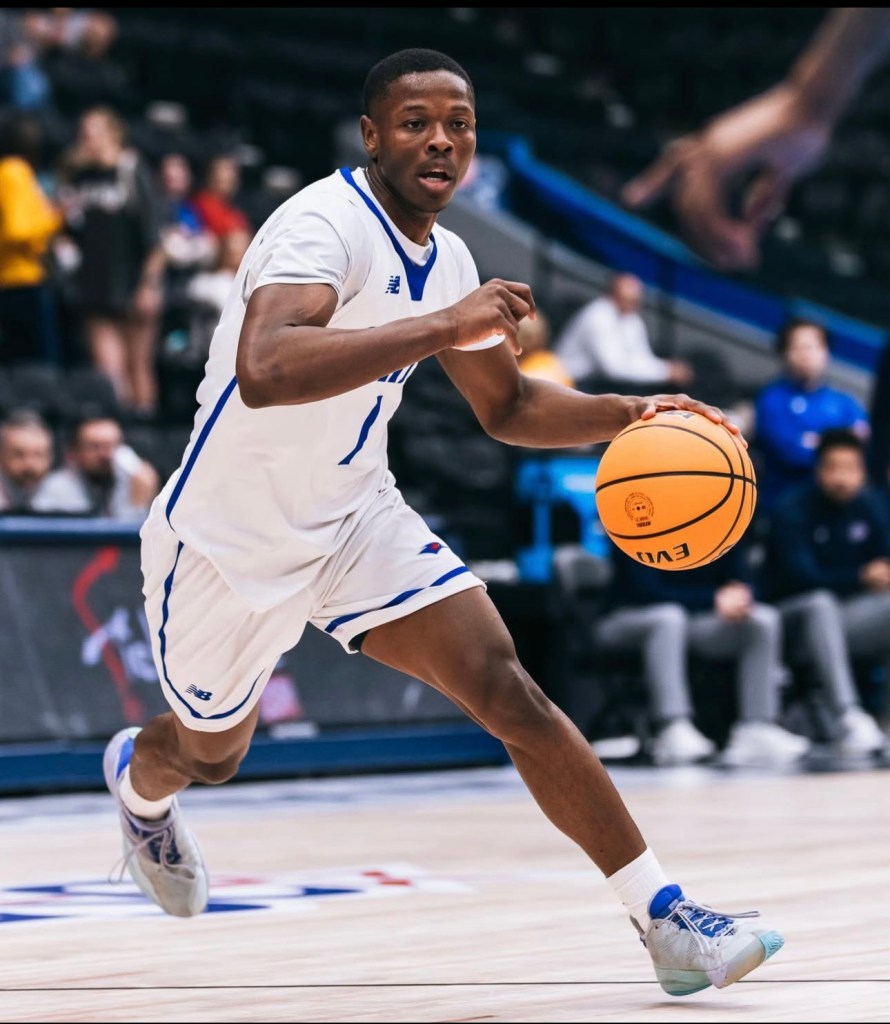
- Embrace their role – Not every player can be the leading scorer. Programs need defenders, facilitators, and role players who contribute to team success.
- Elevate team chemistry – The most talented teams don’t always win; the most connected ones do. Players who fit into a culture and uplift their teammates are invaluable.
- Have a winning mindset – Talent means little without discipline, work ethic, and a competitive drive. Coaches look for athletes who can handle challenges and make sacrifices for the team.
A big challenge for coaches today is evaluating the mindset of a player before extending a scholarship. Is this player transferring for the right reasons? Will they buy into the team culture, or will they leave again if things don’t go their way?
The Importance of Team Chemistry
One of the most underrated aspects of basketball is team chemistry. A roster full of elite talent means little if the players don’t trust each other, communicate, and understand their roles. The transfer portal, while providing great individual opportunities, can disrupt this chemistry if not managed properly.
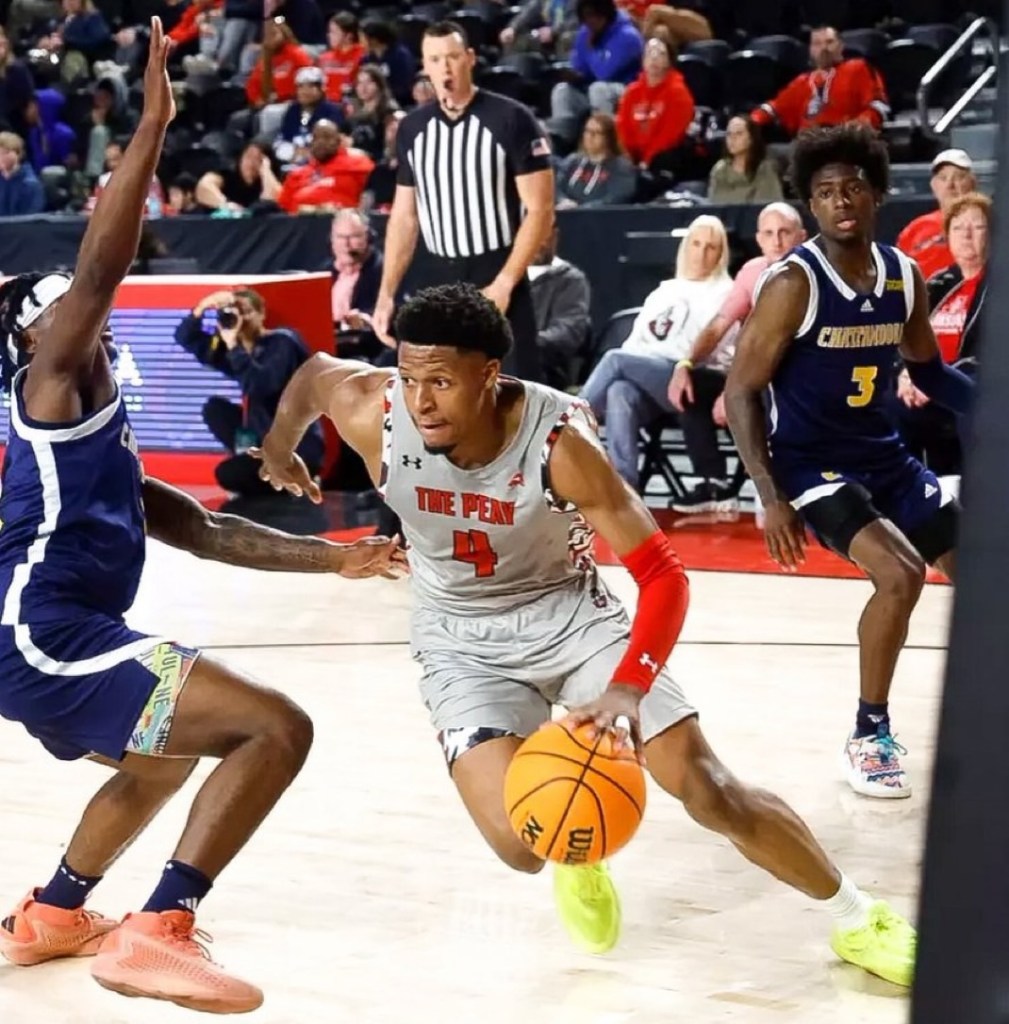
Programs that rely too heavily on transfers often struggle to build continuity, as new players must constantly adjust to each other. Meanwhile, teams that balance development with strategic transfers—bringing in the right pieces rather than just the biggest names—tend to sustain success.
Final Thoughts: Winning vs. Individual Success
In today’s game, there’s a fine line between chasing individual success and being part of a winning program. Players entering the portal must ask themselves:
- Am I transferring for the right reasons?
- Am I willing to adapt, learn, and grow within a new system?
- Do I prioritize team success as much as my own opportunities?
- Will this move truly help me long-term, or am I just looking for a quick fix?
For those who approach the portal with the right mindset—seeking growth, development, and a chance to contribute to a winning culture—it can be a great tool. But for those who simply chase stats, minutes, or NIL deals, the portal can quickly turn into a revolving door that hinders long-term success.
Winning in college basketball is about more than just assembling talent—it’s about building something greater than yourself. The players and programs that understand this will be the ones that stand out in the ever-changing landscape of the game.
 Unit 1 Hoop Source