
As of today, the NCAA Division I Board of Directors is expected to vote on a proposal that could change the shape of March Madness forever—an expansion from 68 to 76 teams. At face value, this move might sound like a win for inclusivity, more opportunities, and growing the game. But if you listen closely—beyond the corporate press releases and conference room jargon—you’ll hear what many coaches, analysts, and longtime fans are quietly asking:
Is this really about improving the product of college basketball, or is it simply a money grab disguised as progress?
Let’s get into it.
The Reality Behind the Expansion
For decades, March Madness has been one of the most electrifying events in all of sports. The 68-team bracket is iconic. From buzzer-beating mid-majors to blue blood collapses, the current format has delivered unmatched drama, unpredictability, and emotion.
Now the NCAA is proposing to expand the field by eight more teams. According to a CBS Sports report, the $19.6 billion, 22-year media rights deal with CBS and Turner is already pumping billions into the system. So why the change? The answer might not lie in “fairness” or “access”—it may lie in revenue generation.
Every added game equals added broadcast inventory. More ad dollars. More partnerships. More content.
But at what cost to the integrity of the game?
Why Many Basketball Purists Are Pushing Back
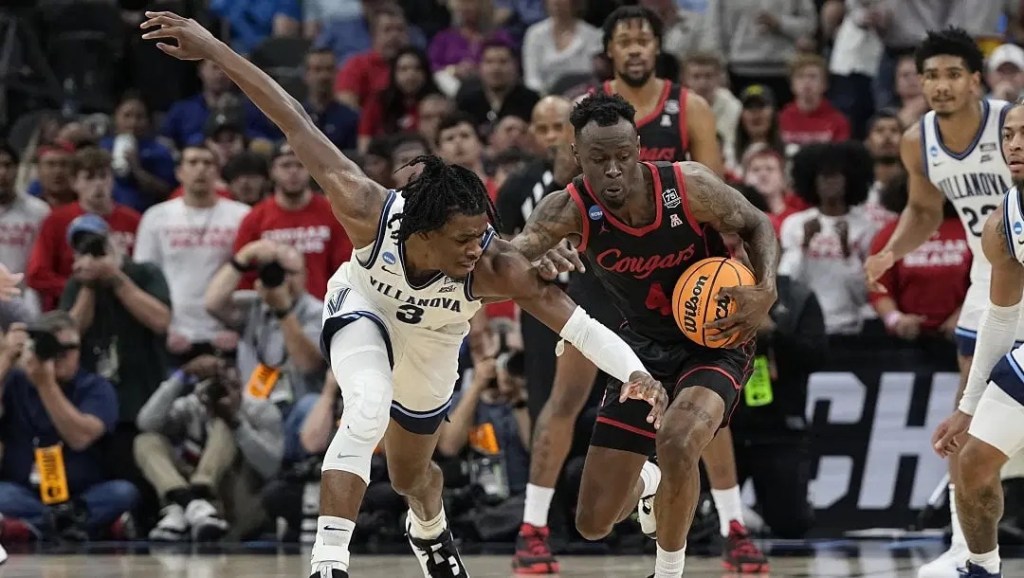
The backlash isn’t coming from a place of elitism. It’s coming from a deep love and respect for what the NCAA Tournament has represented for generations.
Here’s why many within the sport are against expansion:
- It dilutes the product. Let’s be honest: the bottom-tier bubble teams most likely to benefit from expansion aren’t bringing Cinderella magic. They’re .500-level major conference teams that had their chances all year long.
- It weakens Selection Sunday. The drama of getting in—or missing out—is a vital part of March Madness. Expansion waters down the urgency, the stakes, and the heartbreak that makes this event special.
- It puts unnecessary stress on student-athletes. More games mean more travel, more prep, and more academic sacrifice—just to squeeze in a few more revenue-generating matchups.
- It creates imbalance. Mid-majors with real talent and gaudy win totals still risk being left out in favor of big-brand teams with poor conference records.
Are We Strengthening the Game or Stretching It Thin?
College basketball doesn’t need more teams to make March great again. It needs better structure, stronger scheduling incentives, and fairer opportunities for non-power programs. If the NCAA wants to talk about equity and access, then reward teams who win, not just those from power leagues with big TV followings.

If the tournament becomes too bloated, too long, or too predictable, fans will notice—and the magic could fade.
And that’s the irony. The very thing that built March Madness into a billion-dollar industry was its authenticity. The moment it becomes over-engineered, over-expanded, or over-commercialized, it risks becoming something else entirely: forgettable.
Closing Thought: Who Really Benefits?
Let’s keep it real. This proposal isn’t about the love of the game. It’s about maximizing every inch of media space, every second of screen time. And yes, there’s a business side to all of this. But fans, coaches, and media deserve a seat at the table too.
So here’s the real question: Are we strengthening college basketball, or slowly watering it down?
Time will tell. But for those of us who cover, support, and breathe this sport—it’s hard not to feel like expansion is chasing short-term profits at the expense of long-term
 Unit 1 Hoop Source