
Feel is the rhythm of the game flowing through you.
It’s not flashy. It’s not loud. But when it’s present, the whole team runs more smoothly.
That’s what we’re talking about today — one of the most overlooked, least measurable, yet most powerful traits in basketball: feel. Coaches know it. Scouts trust it. Players with it make the game look effortless. But too often, it goes unnamed or unnoticed by fans.
Let’s break it down.
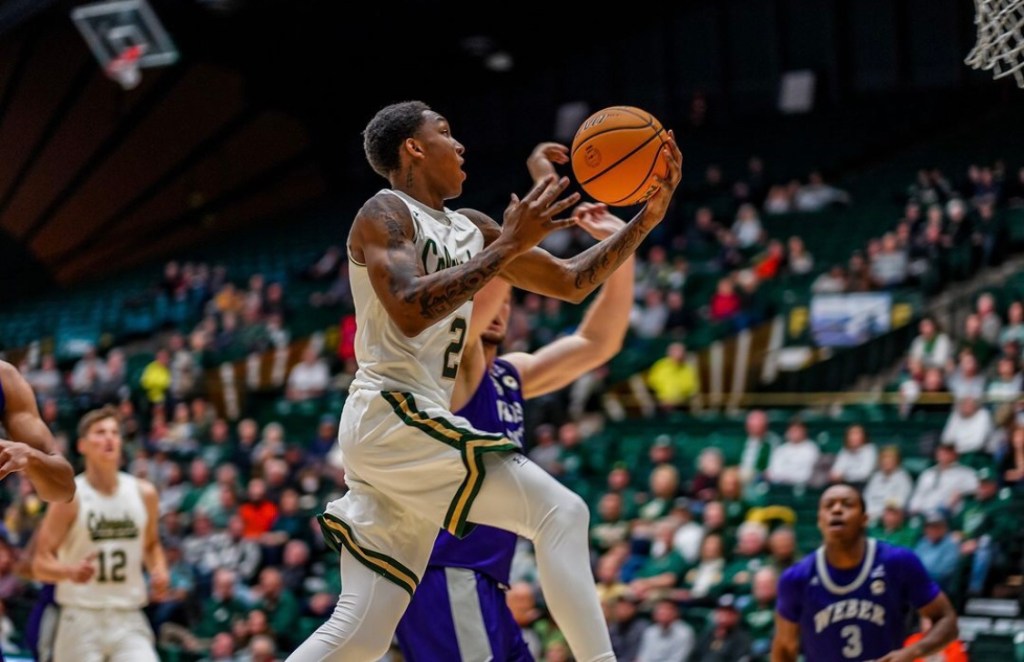
🔍 What is “Feel” in Basketball?
In the world of hoops, feel refers to a player’s natural instincts, real-time awareness, and ability to read the game as it unfolds — not after. It’s an intuitive sense of timing, spacing, and flow that makes the player seem like they’re always in the right spot at the right moment.
A player with great feel doesn’t wait for things to happen. They see it, sense it, and move before it even unfolds. It’s not something you can always teach. Some just have it in their DNA.
🏀 Basketball people might say:
“He’s a natural hooper.”
“She just knows how to play.”
“He’s never out of rhythm — even when the game gets chaotic.”
🧪 Scouting Breakdown: What Evaluators Look For
When scouts and coaches highlight feel, they’re watching for specific traits like:
➤ Quick, clean decision-making
➤ Reading angles and defenders in real time
➤ Perfect timing on cuts, relocations, or rotations
➤ Poise in traffic — never sped up
➤ Instinctive passes that create flow
➤ Smart help-side reads without over-committing
💡 Note: Feel is not just “IQ.” IQ can be taught through film, reps, and structure. Feel is deeper. It’s about flow — responding without hesitation because your instincts are locked into the rhythm of the game.
📊 Feel In Action: A Real Example
“She’s not the flashiest, but she feels special. She always makes the right read, slips into open space, and finds teammates without even looking. It’s like she knows what’s coming.”
That’s feel in a nutshell. No viral highlight. Just winning basketball.

🧱 Why Feel Matters in Player Evaluation
Let’s be honest — everyone’s watching size, speed, and skill. But feel? That’s what separates players who produce statsfrom those who drive winning.
🎯 Players with high feel:
- Make better decisions in tight windows
- Elevate the tempo of the offense
- Anticipate instead of react
- Fill gaps defensively with purpose
- Help less talented teams function like machines
In college or pro systems, where execution is everything and the margin for error is small — feel gets you playing time. It earns trust from coaches.
🔑 What It’s Not: Clearing Up the Misconceptions
Let’s make this clear. Feel isn’t:
🚫 Memorization — It’s not playbook recall
🚫 Athleticism — You don’t need to jump out the gym
🚫 Just IQ — Knowing when to cut isn’t the same as instinctively feeling the cut
Some of the best feel players aren’t highlight guys. They’re rhythm guys. They sync the game.
💡 Player & Parent Insight: Can You Build Feel?
Here’s what parents always ask: “Can feel be taught?”
Not fully — but it can be sharpened like a blade. If your child is:
- A step ahead in reads
- Seeing things unfold
- Staying calm under pressure
…they might have that “feel.” Here’s how to develop it:
✅ Live-game reps — real decisions, real speed
✅ Small-sided games — build pattern recognition
✅ Film study — learning to see spacing
✅ Playing older, smarter competition — instinct gets tested
Feel separates good players from impact players. It’s not listed on the box score — but it wins games.
✍🏽 Final Thought: From the Sideline
Feel is the rhythm of the game flowing through you.
It’s not something you yell about. It’s not something you show off.
But when it’s present?
🏀 The ball moves.
🧠 The tempo elevates.
🏆 And the game feels… right.
📬 Subscribe for more basketball insights, scouting breakdowns, and player education at:
www.u1hoops.com
🗞️ Also check out our newsletter: Around the Country in 2 Minutes
🛡️ Editorial Disclaimer:
All scouting evaluations are based on verified film, live viewings, and trusted sources. Unit 1 Hoop Source maintains full editorial independence and transparency in all basketball reporting.
© 2025 Kim Muhammad | Unit 1 Hoop Source. All Rights Reserved.
This article and all written content on this platform are protected under U.S. Copyright Law (Title 17, United States Code).
No part of this material may be copied or reproduced without prior written consent.
For permissions, contact
 Unit 1 Hoop Source