
High school basketball is catching heat from some social media “experts,” sideline commentary, even some insiders. The criticism is loud. But the truth is simple: development is a journey, not a verdict. I’ve raised four children who’ve each found success in their own lane, and that experience shaped the way I see this game. At the high school level, the best thing we can do is let the story play out.
Basketball is a conveyor belt. A lot of kids step on. As it moves, the game naturally sorts itself out: the most prepared—technically, physically, mentally—get “picked off” first for higher opportunities. Others grow into it with time, reps, coaching, and belief. That’s not failure; that’s the process.
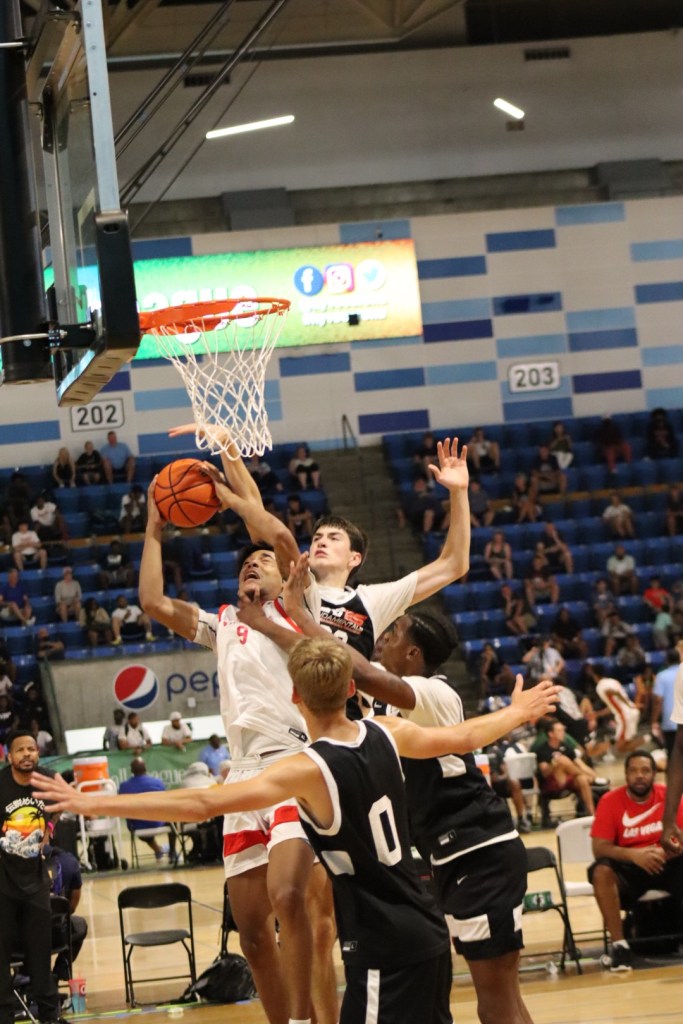
What This Generation Needs—from Us
- Encouragement with standards. Be honest and transparent, but aim your honesty at growth, not humiliation. Critique the work, not the kid.
- Skill over sizzle. Prioritize footwork, decision-making, shooting reps, and defensive habits over highlight culture. Film doesn’t lie—build on it.
- Real competition. Seek games and environments that challenge, not protect. Iron sharpens iron; dodging tough matchups delays development.
- Strength + recovery. Invest in the weight room, mobility, sleep, and nutrition. Availability and durability are part of being recruitable.
- Basketball IQ. Teach reads: pace control, advantage recognition, second-side actions, and off-ball value. The game rewards thinkers.
- Character and composure. College coaches recruit reliability—practice habits, classroom accountability, and team-first behavior travel well.
Practical Pathways That Work

1. Film + Feedback Loop
Every game tells a story—if you’re willing to read it. Players should be clipping their own film, breaking down possessions, and charting decisions both good and bad. A coach or mentor can then assign two or three specific points of emphasis for the next week. When this process is repeated over a full season, it turns game footage into a living classroom. That’s how basketball IQ grows, and how weaknesses become strengths.
2. Role Clarity
One of the fastest ways to stall a player’s development is role confusion. A young athlete must know exactly how they can help their team win today—whether that’s rebounding, spacing the floor, or locking down on defense. At the same time, their training should be building toward their “tomorrow” role. A player may be a 3-and-D wing now, but with work, they could evolve into a primary scorer or secondary playmaker.
3. Seasonal Development Plans
The game has a rhythm beyond the scoreboard. In-season should be about refining game reads, building conditioning, and sustaining performance. Spring is the time to experiment and expand skill sets. Summer should focus heavily on strength, athleticism, and position-specific work. Fall is for sharpening rhythm, increasing shot volume, and entering the season ready to perform. This year-round plan prevents plateaus and ensures steady growth.
4. Trusted Network
Too many voices can drown out progress. Players thrive when parents, coaches, and trainers align behind one clear plan. This doesn’t mean ignoring outside advice—it means filtering it through a shared understanding of the player’s goals. Mixed messages can pull a young athlete in five directions at once. A unified support system keeps the player grounded and moving forward.
5. Exposure with Intention
Not every showcase, tournament, or travel event is created equal. Chasing the “most eyes” often leads to wasted weekends and inflated expectations. The better approach? Choose events where the right eyes are watching—college coaches and scouts whose programs fit the player’s talent and trajectory. Quality exposure is strategic, not random.
The Charge for Coaches, Parents, and Media
We owe this generation clarity, not chaos. Hold the bar high. Tell the truth. Celebrate progress. The conveyor belt will keep moving—some kids will break through early; others will bloom late. Either way, the job is to prepare them, not panic about the state of the game. The best “recruiting pitch” remains what it’s always been: a tough, skilled, coachable player who helps teams win.
Bottom line: Be patient, be precise, be present. Let the story play out
Unit 1 Hoop Source — Editorial Disclaimer
Unit 1 Hoop Source is committed to credibility, integrity, and transparent coverage. Our evaluations and commentary are grounded in firsthand scouting, verified film study, reputable data, and direct coach/trainer input when available. We separate opinion from reporting, correct errors when identified, and prioritize the long-term development of athletes over short-term hype.
© 2025 Kim Muhammad | Unit 1 Hoop Source. All Rights Reserved.
This article and all written content on this platform are protected under U.S. Copyright Law (Title 17, United States Code).
No part of this material may be copied, reproduced, republished, distributed, or used in any form without prior written consent from the author. Violators will be subject to civil and criminal penalties.
For permissions or licensing inquiries, contact:u1hoop@gmail.com
 Unit 1 Hoop Source