
The landscape of college athletics is more complicated than ever. Between NIL (Name, Image, and Likeness) money, inconsistent eligibility rulings, and shifting transfer rules, the modern student-athlete faces a system full of opportunity—but also full of traps.
Athletes deserve to be compensated for the billions of dollars their talent generates for universities. Yet without structure, this new system has created instability. The NCAA, once the enforcer, is losing control. Nowhere is that clearer than in college basketball and football, where eligibility battles and pay-for-play debates dominate headlines.
The Business of Human Muscle
College sports are more than tradition—they’re a billion-dollar industry at the core of the American economy. Since 1936, when the SEC became the first conference to award scholarships, the raw material has always been one thing: human muscle. Young athletes from urban and rural neighborhoods are funneled into institutions that profit enormously from their labor.
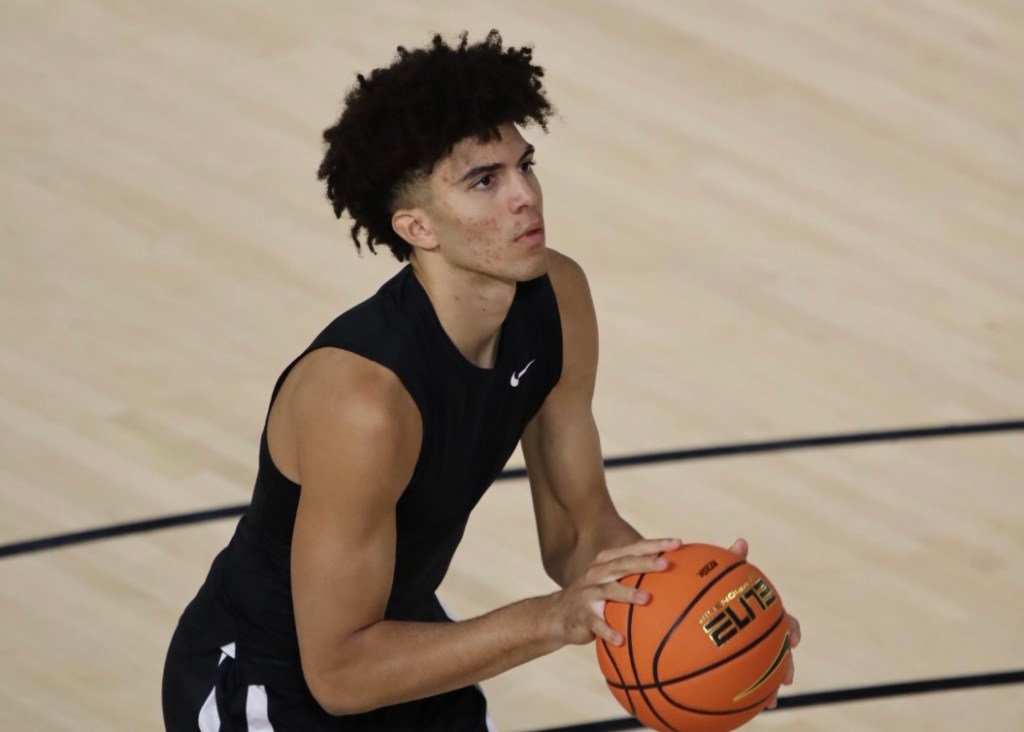
But the odds are brutal. NCAA data shows that fewer than 3% of high school seniors playing basketball in 2025 will advance to college basketball. Of that small group, only about half will receive scholarships. The conveyor belt system keeps moving, but only a handful ride it to the end.
My Son’s Fight with the NCAA
This isn’t theory—it’s personal. My son recently fought an NCAA denial for his Juco year of eligibility. He met every requirement, yet the system still refused.
Our family made a vow long ago: we would never pay to play. Too many athletes are pressured to hire lawyers or spend money just to fight for what is rightfully theirs. We refused. Instead, we stayed grateful for what basketball already gave him:
- Associate’s degree at the JUCO level
- Bachelor’s degree at the Division II level
- On track for a Master’s degree next year
- All debt-free, without paying a dime to play
That’s what victory looks like—using the system without letting it use you.
The Conveyor Belt is Real
The conveyor belt system in sports is real. Over 866,000 kids under 12 already play organized sports in America. For many, basketball has become a lottery ticket, with parents, trainers, and recruiters chasing the “next big thing.” Too often, athletes become meal tickets for others.
That’s why education is critical. Athletes must learn the rules, the loopholes, and the limits of NIL. They must understand that only a few will reach the finish line—and that awareness is the difference between being used and being in control.
Control Your Destiny
To every young athlete: the system is strategizing against you. Behind closed doors, officials are planning new ways to profit from this pay-for-play era. You cannot afford to be naïve.
The greatest advice I can give you is simple: control your destiny.
- Don’t let the NCAA define your worth.
- Don’t let money or politics blind you.
- Recognize your power and use your gifts wisely.
Basketball can change your life, but only if you stay in control of your future
Editorial Disclaimer:
Editorial Disclaimer
Unit 1 Hoop Source evaluations and features are based on firsthand scouting, verified sources, and direct research. We are committed to accuracy, integrity, and transparency in every report. Opinions expressed are grounded in film study, live evaluations, and conversations with coaches, athletes, and basketball professionals. While we strive for 100% accuracy, basketball is an evolving game, and projections are subject to change as athletes develop.
© Copyright Disclaimer:
© 2025 Kim Muhammad | Unit 1 Hoop Source. All Rights Reserved.
This article and all written content on this platform are protected under U.S. Copyright Law (Title 17, United States Code).
No part of this material may be copied, reproduced, republished, distributed, or used in any form without prior written consent from the author. Violators will be subject to civil and criminal penalties.
For permissions or licensing inquiries, contact: u1hoop@gmail.com
 Unit 1 Hoop Source