
I wanted to approach this topic with care, because I know how deeply it touches the lives of student-athletes across the country. A few years back, I wrote an article on a four-star athlete, DJ Carton, who at the time was playing for Ohio State. He made the brave decision to step away from basketball to address his mental health.
That move wasn’t about quitting—it was about survival. Depression is real. Many wrestle with it silently, but in sports it often goes unspoken. Unless you’ve lived the grind of being an athlete, it’s hard to fully understand the pressures these young men and women carry every single day.
The stress of performing at a high level is often taken for granted. These athletes pour countless hours into their craft, yet they still battle invisible weight. Many are driven by the fear of disappointing—whether it’s loved ones, teammates, coaches, or the fans watching from the stands. They feel they have to be the strong ones in the face of adversity. They’re expected to smile, even while fighting stress and overwhelm behind the scenes.

I’ve seen it up close. I’ve watched athletes crack under pressure. I’ve seen my youngest son struggle through a rough period at the collegiate level. I’ve seen others juggle family issues that spill over into their college lives. What we often forget is that these athletes face the same everyday challenges as anyone else—except theirs are magnified by the expectations of sport.
One of the heaviest loads they carry is what I call the pleasing factor: the belief they must be everything to everyone—teammates, coaches, parents, social media followers, even peers. That weight is exhausting. And when unchecked, it can lead to depression, anxiety, and burnout.
I know this struggle personally. Over the past few years, I’ve wrestled with my own bouts of depression. At first, I tried to suppress it. Like many athletes, I convinced myself I was fine. But denial only deepens the wound. That’s the same trap so many young athletes fall into—internal battles they can’t admit for fear of looking weak.
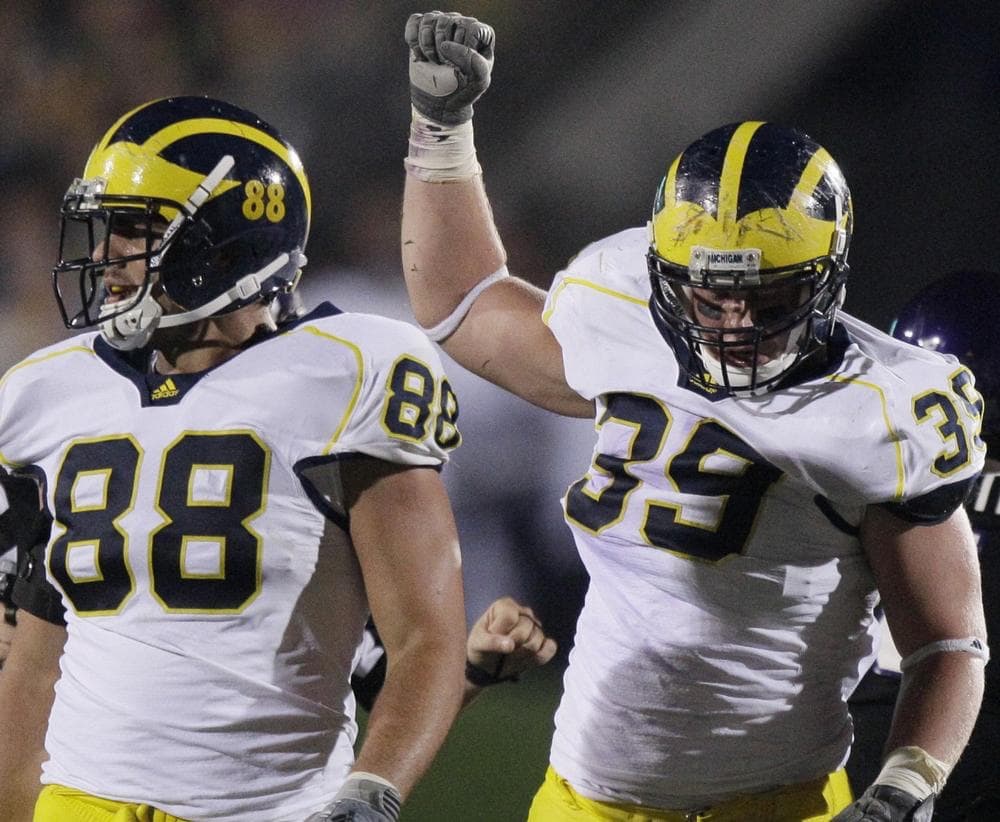
This isn’t just about sports. In life, men between the ages of 40 and 60 often face what’s called a midlife crisis. It’s not a clinical diagnosis, but it reflects a real season of questioning purpose, identity, and direction. In many ways, what young athletes experience in high school and college mirrors that same struggle: Am I good enough? Did I choose the right path? Can I handle this pressure? Combine those questions with the grind of academics, the weight of expectations, and the demand to perform on the court or field, and it can become overwhelming.
That’s why I tell parents and coaches: let young people breathe. Give them room to enjoy life outside of sport. Don’t overload them with unrealistic expectations. Behind the jersey, behind the scholarship chase, there’s a human being who needs balance, rest, and time to simply be young.
Depression is real. Mental health in sports is real. And it’s past time we treat it with the urgency it deserves.
What the Numbers Tell Us
The latest research makes it clear: the mental health battle is measurable, not invisible.
- In the NCAA’s 2023 Student-Athlete Health and Wellness Study, 42% of Division I women and 16% of Division I men reported feeling overwhelmed most days. About 33% of women and 17% of men said they were mentally exhausted most days.
- Top stressors: academic pressure, future uncertainty, and financial worries—ranking even higher than playing time or team dynamics.
- Only about half of college athletes said they’d feel comfortable going to a campus mental health provider, even though most knew where to go.
- At the high school level, the CDC’s 2023 Youth Risk Behavior Survey shows 40% of U.S. students reported persistent sadness, 20% seriously considered suicide, and about 10% attempted. Girls reported higher distress than boys.
- A national study found nearly 60% of high school athletes reported moderate-to-extreme sport-related stress—yet many avoided seeking help due to stigma or lack of awareness.
Athletes’ Voices
The numbers matter, but the voices hit harder.
When DJ Carton left Ohio State, he left more than an empty locker—he left a message: “If you’re going through mental health issues… you are loved and valued.”
Former Ohio State football lineman Harry Miller said it even more bluntly: “I would rather be dead than a coward.” His bravery forced a national conversation, and he credited his coaches and medical staff for supporting him.
Their testimonies remind us that speaking up is strength—not weakness.
The New Pressure Points
Today’s athletes carry not only the weight of the game, but the glare of the spotlight.
- Social Media & Harassment: During the 2023–24 season, the NCAA tracked over 72,000 messages to athletes, flagging more than 5,000 abusive or threatening posts. Women received three times the abuse of men. Racial, betting-related, and sexual harassment accounted for the largest shares.
- Sports Betting: With gambling now legal in most states, 1 in 3 high-profile athletes report harassment tied to betting outcomes. Nearly **90% of that abuse comes through social media.
This is a new reality: athletes are no longer just playing the game—they’re being targeted by strangers whose wallets depend on the outcome.
Solutions That Work
The good news: progress is happening.
In 2024, the NCAA released its Second Edition of Mental Health Best Practices, now written into official policy. These require:
- Campus-wide action plans for mental health referral and emergencies.
- Licensed providers to oversee athlete care.
- Coach and staff training in mental health literacy and trauma-informed practices.
- Education on sleep, nutrition, and substance use.
At the high-school level, NFHS initiatives are training coaches to recognize red flags and normalize help-seeking.
For parents, the solution begins at home: de-load the pleasing factor. Remind athletes that their worth isn’t tied to a scholarship, stat line, or viral highlight.
Final Word from Unit 1
This is not a side issue—it’s urgent. Behind every uniform is a young person who deserves balance, care, and a voice.
At Unit 1 Hoop Source, we’ve seen this struggle firsthand. We’ve walked gyms across the country, listened to athletes, spoken with parents, and lived through it ourselves. Our commitment is to continue shining light on these silent struggles with fact-checked reporting and lived perspective.
This is just the beginning of a conversation we must have—openly, urgently, and together.
Resources
If you or someone you know is struggling:
- 988 Suicide & Crisis Lifeline — call or text 988 (24/7, free, confidential).
Editorial Disclaimer
All statistics are sourced directly from NCAA and CDC reports, with athlete quotes attributed to their original public statements. This article is for public education and awareness, not medical advice. If in crisis, call 988 immediately.
Copyright Notice
© 2025 Kim Muhammad | Unit 1 Hoop Source. All Rights Reserved.
This article and all written content on this platform are protected under U.S. Copyright Law (Title 17, United States Code).
No part of this material may be copied, reproduced, republished, distributed, or used without prior written consent from the author.
For permissions or licensing inquiries, contact: u1hoop@gmail.com
 Unit 1 Hoop Source