
Las Vegas, NV — In today’s basketball landscape, exposure is often seen as the golden ticket. The Nike EYBL, Adidas 3SSB, Under Armour Association, and Puma Circuit dominate the grassroots space, drawing media outlets, scouts, and decision-makers in droves. But here’s the truth that rarely gets told: not every player who makes it big comes through those doors.
Some of the most promising prospects in high school basketball fly under the radar—playing for independent grassroots programs, attending traditional high schools, or competing in small-market events. While their platforms may not generate the same buzz as the heavily marketed circuits, these players often benefit in ways that go unnoticed.
The Myth of Exposure
The assumption is simple: play on the biggest stage, get recruited faster. Yet reality is more complicated. At the highest levels of grassroots basketball, competition is fierce, opportunities are limited, and players often feel pressure to perform outside of their natural game. For every blue-chip prospect thriving on a major circuit, there are others who get lost in the shuffle, overlooked by coaches, or forgotten in the long line of “next up” names.
Meanwhile, players in smaller programs gain something different: development. With more touches, more minutes, and more responsibility, underrated prospects grow their games in ways that a spotlight can’t always provide. Independent programs focused on skill development and fundamentals allow players to build confidence, versatility, and resilience—traits that serve them well long after the rankings stop trending.

Independent Programs Matter
Grassroots basketball has become a billion-dollar industry, but independent programs still play a critical role. These teams may not have the shoe company backing, but they often provide something more important: structure, mentorship, and consistency.
Scouts who know the game understand this dynamic. Every year, evaluators discover players outside the big circuits who are more polished, hungrier, and better prepared to compete at the next level. The message is clear: exposure is valuable, but it’s not the only path.
College Pathways in Small Markets
The same story plays out at the college level. Small-market schools and overlooked programs have produced some of the best success stories in basketball. Santa Clara, for example, has sent players like Steve Nash and Jalen Williams to the NBA, proving that you don’t need a blue-blood program to maximize your potential.
Strong Division II programs also serve as springboards for talent. Many players use those stops to develop their bodies, sharpen their skills, and eventually transfer up to Division I—where they not only compete but thrive.
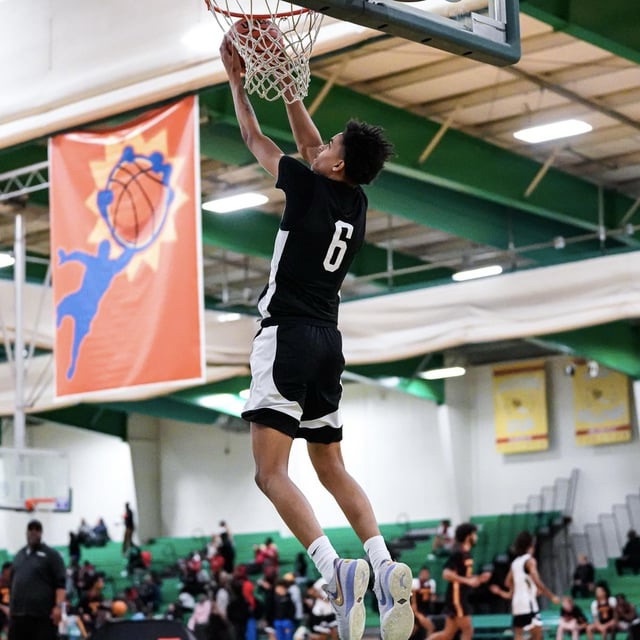
Unfortunately, many national scouts and large media outlets rarely give attention to these players. Their brand is built on pushing the names already stamped as “can’t miss.” But the game is bigger than the marketed names. That’s why independent scouts with boots on the ground are critical. They’re the ones traveling, watching, and reporting on players who don’t always get the headlines but have the ability to rise.
For players, the lesson is simple: your first impression is your last impression. Stay ready, because you never know when the right evaluator or coach will walk into the gym.
The Real Journey: Development Over Hype
Too often, young players believe recruitment hinges on being seen at one of the “big four” grassroots platforms. But exposure without preparation is a trap. Playing in front of college coaches doesn’t guarantee a scholarship if the skill set isn’t ready.
The real journey is about staying prepared for the opportunity. Whether that opportunity comes in July on a major circuit, in a high school gym on a Tuesday night, or at a junior college showcase—players who have invested in their craft rise to the moment.
That’s why junior college, Division II, NAIA, and Division III pathways remain underrated options. These levels develop winners, and many pros have taken the “long road” to success. For players chasing a dream, the advice is simple: go where you are wanted, go where you can play, and go where you can grow.
Advice for Players and Parents
- 🎯 Focus on Skill Development: Exposure means nothing if your game isn’t ready.
- 🧠 Be Honest About Fit: EYBL, Adidas, UA, and Puma aren’t for everyone. Find the right program, not just the loudest one.
- ⭐ Embrace the Independent Route: Some of the best pros came from small programs and made their names later.
- 🔁 Stay Ready: Coaches are always looking. Film, consistency, and effort go further than hype.
- ▲ Respect Every Level: JUCO, D2, D3, and NAIA can lead to Division I or professional basketball.
Final Take
Basketball has room for every journey. The bright lights of the EYBL and the Adidas circuit have their place, but they are not the only path to success. Small-market colleges, Division II programs, and independent grassroots teams continue to develop players who rise to the highest levels.
The truth is this: development is greater than exposure. Scouts may chase the headlines, but players who focus on their craft, stay disciplined, and make the most of their opportunities will always find their way.
At Unit 1 Hoop Source, we champion those stories. Because in basketball, the underrated don’t stay hidden forever—they just take a different route to the top.
Editorial Disclaimer
All evaluations, scouting reports, and features published by Unit 1 Hoop Source are based on firsthand observations, verified film review, and trusted sources. Our content reflects authentic, original journalism and is intended to provide accurate, fact-checked insight for players, families, coaches, and evaluators.
© 2025 Kim Muhammad | Unit 1 Hoop Source. All Rights Reserved.
This article and all written content on this platform are protected under U.S. Copyright Law (Title 17, United States Code).
No part of this material may be copied, reproduced, republished, or used without prior written consent. Violators will be subject to civil and criminal penalties.
For permissions or licensing inquiries, contact: u1hoop@gmail.com
 Unit 1 Hoop Source