
When you wake up searching for real answers from the NCAA about eligibility, you quickly learn that clear answers don’t exist. What begins as a promise of “student-athlete opportunity” too often turns into a tangled web of rules and contradictions — a system that shifts its goalposts while the very athletes it governs are left guessing.
This isn’t new, but it’s growing worse. In college basketball especially, the gap between the NCAA’s words and actions has become a full-blown credibility crisis.
Recently, the NCAA cleared one former G League player and is entertaining others — a move that directly contradicts long-standing amateurism rules. These cases highlight how the organization’s own bylaws can be bent depending on who’s asking.
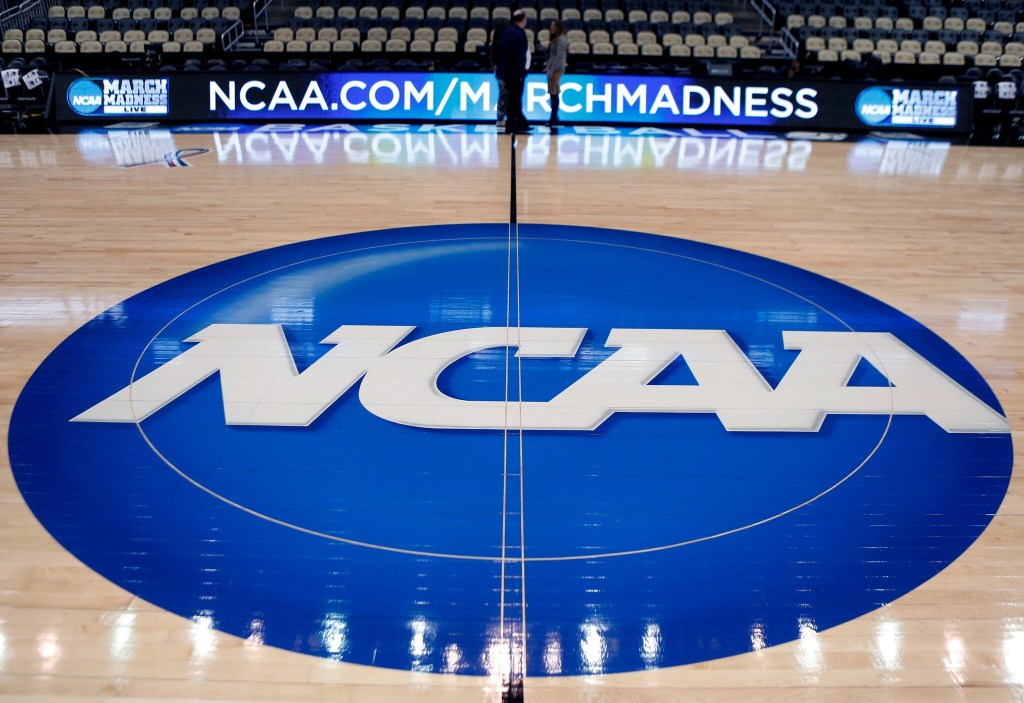
I. The Rulebook: What the NCAA Says About Amateurism and Eligibility
At the center of NCAA eligibility lies Article 12 – Amateurism, intended to define who is and isn’t considered an amateur athlete. In practice, it has become a maze of exceptions and interpretations that few truly understand.
🔹 Amateurism Certification
Article 12 states that any individual who signs a professional contract, receives payment for play, or competes with professionals loses amateur status. Division I and II athletes must also pass an amateurism certification through the NCAA Eligibility Center before competing.
Yet somehow, the NCAA has cleared former professionals to return to college — raising one simple question: What do the NCAA’s amateurism standards even mean anymore?
🔹 The Five-Year Rule
Once a student enrolls full-time, the five-year clock begins ticking. Athletes have five calendar years to complete four seasons of competition, unless the NCAA grants a waiver.
Those waivers have become the gray area. Between COVID exemptions and medical extensions, players are now competing six, seven, even eight years after high school while others, with similar cases, are denied.
🔹 COVID-Era Chaos
The pandemic forced the NCAA to bend its own structure. Entire classes of athletes received “free years,” but the system for determining who qualifies has remained inconsistent. What began as compassion has turned into a permanent loophole — one some programs exploit better than others.
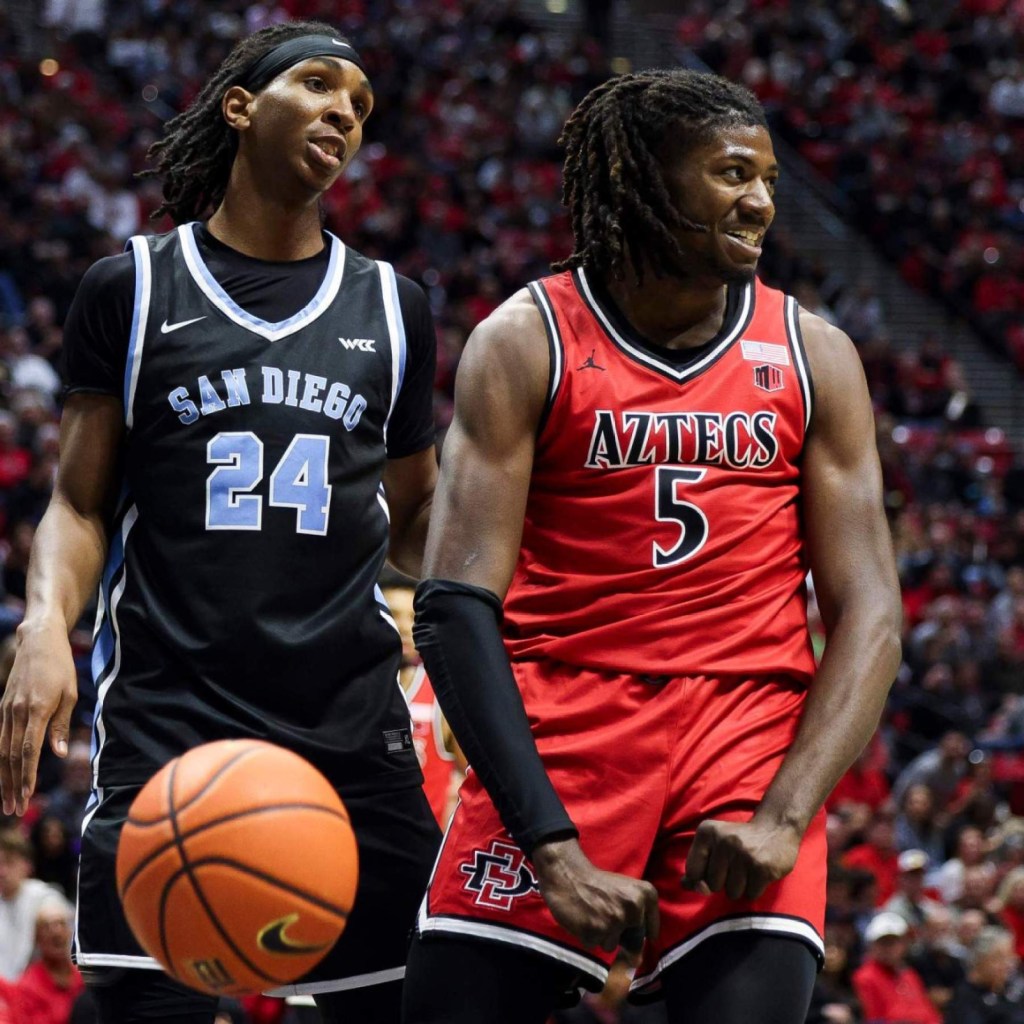
II. Contradictions in Action: The Hypocrisy of Selective Enforcement
The NCAA’s decision to restore eligibility to former professionals exposes selective enforcement at its core.
If playing professionally once disqualified an athlete, reinstating G League alumni undermines decades of precedent. That double standard breeds confusion, distrust, and a credibility gap that widens by the year.
🔹 Names and Precedents That Matter
In September 2025, the NCAA cleared Thierry Darlan—a 6’8″ wing who spent two seasons in the NBA G League—to suit up for Santa Clara, marking the first time a G League alumnus has been granted Division I eligibility. He enters as a junior with two seasons to play after stops with the Delaware Blue Coats and Rip City Remix.
Since that decision, programs have aggressively pursued other G Leaguers. Abdullah Ahmed of the Westchester Knickshas drawn interest from Louisville, UCLA, BYU, Auburn, Houston, and Mississippi State — though as of October 12, 2025, the NCAA has not ruled on his eligibility.
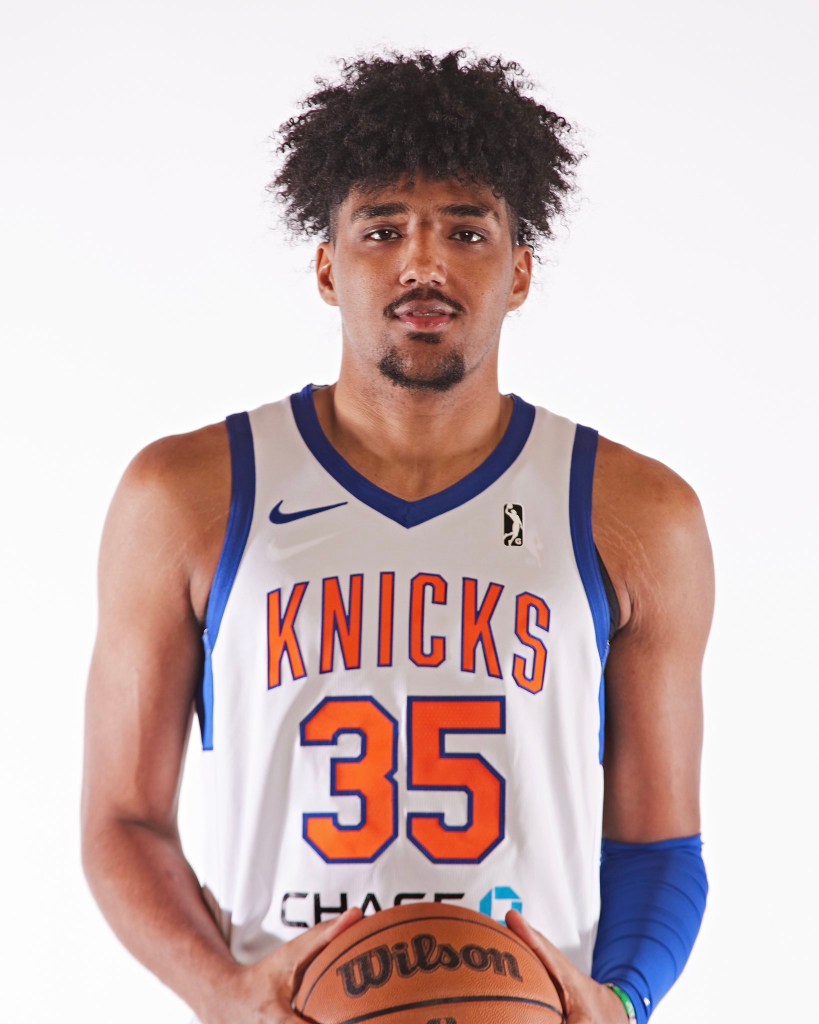
Meanwhile, the organization also cleared Andrija Jelavić at Kentucky after he played multiple seasons as a paid pro overseas, proving that prior professional experience no longer automatically ends a college career.
🔹 The Broken Appeal Process
When the NCAA denies a player’s eligibility, the only recourse is an internal appeal — conducted behind closed doors with little transparency and limited rights.
Athletes seldom see the evidence against them or have counsel present. Because the NCAA is a private body, constitutional due-process protections do not apply. Without institutional backing or legal representation, most athletes are outmatched and outspent.
🔹 Lawsuits on Deck
Legal challenges are piling up. From Pavia v. NCAA to new antitrust suits, courts are now questioning whether the NCAA’s eligibility rules amount to unlawful restraints on trade.
Some courts have already signaled that the five-year rule and arbitrary waivers may not withstand scrutiny much longer — meaning the current structure is on borrowed time.
III. A New Reality: When Amateurism No Longer Exists
For decades, the NCAA marketed college athletics as “education first.” But billion-dollar TV contracts, seven-figure coaching salaries, and NIL collectives disguised as payrolls tell a different story.
If the NCAA allows professionals to return, extends eligibility to eight years, and grants selective waivers, it should stop pretending the game is amateur. College basketball has become a professional development league — and pretending otherwise only deceives the families still playing by the old rules.
IV. What Parents and Players Need to Know
For families navigating this system, understanding its inconsistencies is crucial.
- If your athlete has dual citizenship or overseas options, consider letting them develop internationally first — gain experience, earn income, then weigh whether returning to the NCAA makes sense.
- Know that eligibility outcomes are not consistent, and each case can cost thousands in legal fees.
- Recognize that what’s allowed for one athlete today may be denied to another tomorrow.
Right now, eligibility isn’t about consistent policy — it’s about interpretation and influence.
V. The Bigger Picture
The NCAA was built on ideals of opportunity, fairness, and education. But when enforcement shifts with each new case, those principles collapse. Unless transparency and accountability return, trust will keep eroding.
Athletes are evolving. The system isn’t. The time for reform — real, structural reform — is now.
🏀 Final Take | Unit 1 Hoop Source
At Unit 1 Hoop Source, we’ve watched this eligibility storm grow in silence for years. It’s not just about the bylaws — it’s about trust. The NCAA can’t demand integrity from athletes while operating behind closed doors.
If a player can go from the G League Ignite to Santa Clara, or from a paid roster overseas to a Kentucky uniform, then the NCAA should acknowledge that college basketball is part of the professional ecosystem. Families deserve honesty, athletes deserve consistency, and transparency must replace hidden memos and selective rulings.
The NCAA once stood for opportunity. Today, it’s standing on shaky ground — and the athletes are the ones paying for it.
Editorial Disclaimer | Unit 1 Hoop Source
All evaluations, reports, and analyses published by Unit 1 Hoop Source are based on verified information, firsthand research, and authentic journalism. Our content reflects credible observation and is intended to provide accurate, fact-checked insight for players, families, coaches, and evaluators.
© 2025 Kim Muhammad | Unit 1 Hoop Source. All Rights Reserved.
This article and all written content on this platform are protected under U.S. Copyright Law (Title 17, United States Code).
No part of this material may be copied, reproduced, republished, distributed, or used in any form without prior written consent from the author. Violators are subject to civil and criminal penalties.
For permissions or licensing inquiries, contact: u1hoop@gmail.com
 Unit 1 Hoop Source