
In today’s modern game, many players struggle to identify the open areas of the floor and attack them with purpose. The art of getting to your mid-range sweet spots — those natural pockets defenses give up — has faded in a game obsessed with threes and rim attempts. But that doesn’t mean the mid-range is dead. In fact, when taken in rhythm and in the flow of an offense, it remains one of the highest-percentage shots on the floor.
Analytics support this more than people realize. If a defender runs you off the three-point line and you can flow into a clean elbow jumper or a controlled one-dribble pull-up, that possession is statistically a high-value opportunity. Coaches are not turning those looks down. What they don’t want are rushed, contested pull-ups outside of system structure.
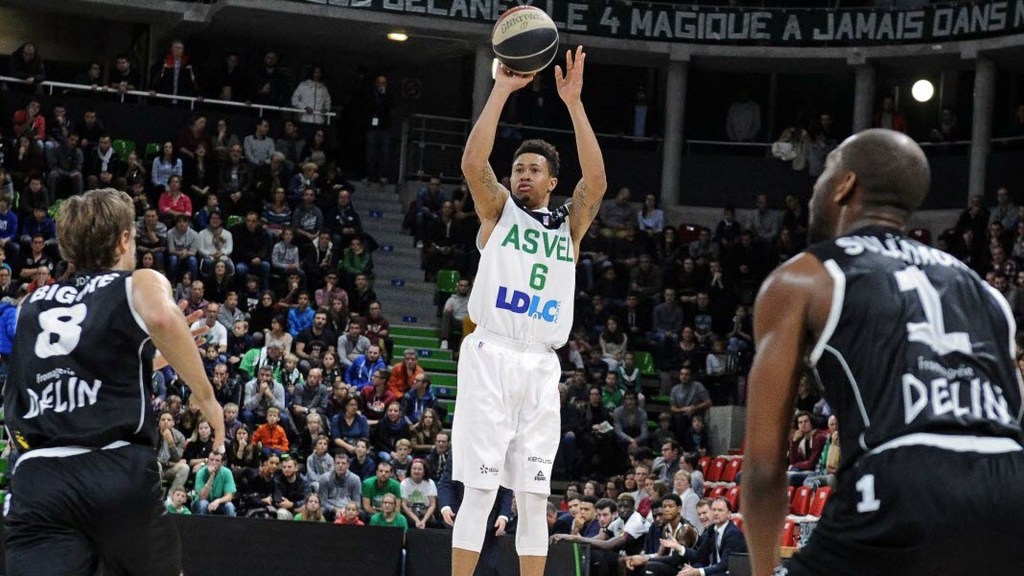
🔍 Where Analytics Back Up the Mid-Range
Advanced analytics continue to show that not all mid-range shots are created equal. According to Synergy and efficiency grading:
- Elbow pull-ups off closeouts
- One-dribble pull-ups from 12–17 feet
- Short mid-range shots out of ball screens
…often grade between 0.95 and 1.05 points per possession, which outperforms many contested three-point shots and low-quality drives late in the shot clock.
These are rhythm-based, controlled shots — exactly the type coaches trust and willingly live with. It’s not about eliminating the mid-range; it’s about eliminating bad mid-range attempts.
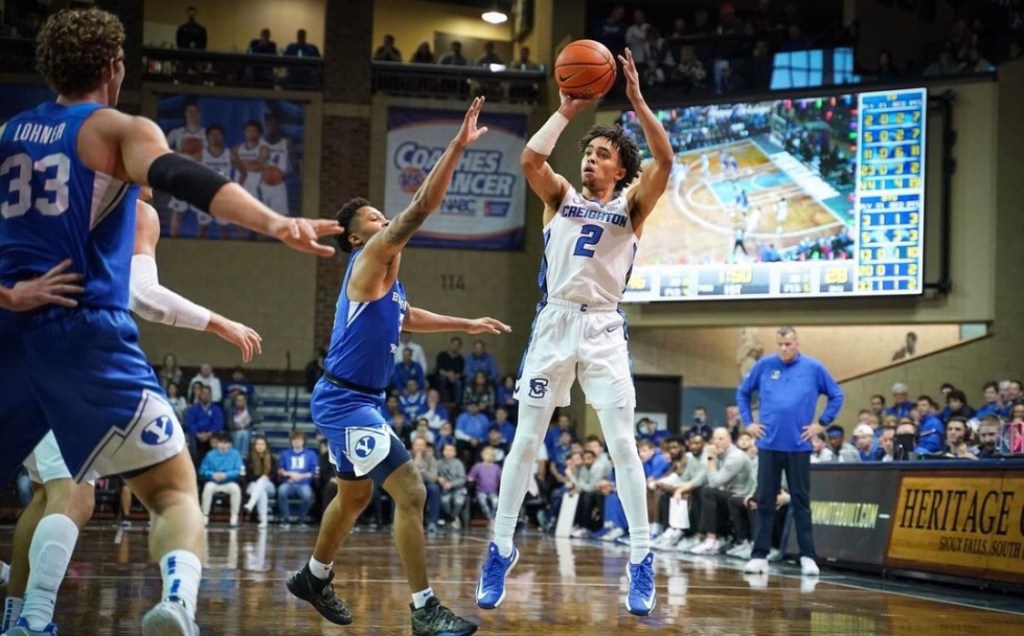
Where the Game Gets Misunderstood
Some players have been conditioned to believe that coaches only want threes and layups. And yes — in some systems, spacing and volume shooting dominate the philosophy. But the reality is more nuanced:
High-percentage shots still drive winning basketball:
- Getting into the paint
- High-percentage finishes at the rim
- Drawing fouls and converting at the free-throw line
- And yes… the clean mid-range jumper when the defense forces it
From a coaching standpoint, the equation is simple:
If you get to your spots, stay in rhythm, and make the right read, the mid-range is still a weapon.
When players understand where the open space is — and how to attack it — the mid-range becomes part of a complete scoring package, not an outdated idea.
This is where good players separate themselves from great ones
Editorial disclaimer: (Unit 1 Hoop Source)
All evaluations, scouting reports, and features published by Unit 1 Hoop Source are based on firsthand observations, verified film review, and trusted sources. Our content reflects authentic, original journalism and provides accurate, fact-checked insight for players, families, coaches, and evaluators.
Copyright:
© 2025 Kim Muhammad | Unit 1 Hoop Source. All Rights Reserved.
This article is protected by U.S. Copyright Law (Title 17).
No reproduction permitted without written consent.
Contact:u1hoop@gmail.com
 Unit 1 Hoop Source