
— Basketball Insider Feature
In today’s fast-moving era of college basketball, I’ve watched far too many players — some I know personally, others I’ve observed for years — enter the transfer portal believing a new school would unlock a bigger opportunity. But almost instantly, their minutes shrink at a rapid pace. What was supposed to be a fresh start quickly becomes a dose of reality.
Players transfer for various reasons.
Some chase a bigger role.
Some respond to coaching changes.
Some believe another program will feature them more.
And a growing number are influenced by NIL opportunities.
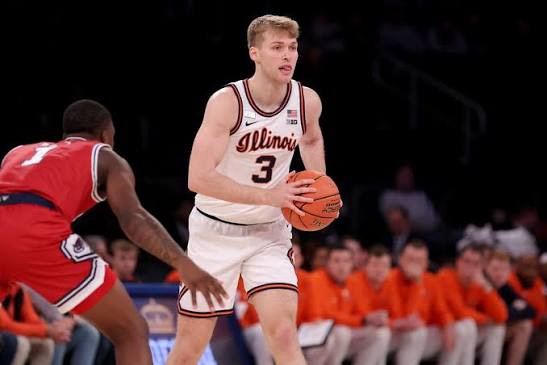
Let’s be clear: getting the money is not the problem. Every athlete deserves that.
But if you were a starter or a major contributor at your previous school, switching institutions does not guarantee the same role will follow you. What you built before may not translate into a new system, a new locker room, or a new coaching philosophy.
This is where truth hits harder than expected.
College coaches are under pressure. Their jobs, their families, their reputations — everything is tied to wins. Coaches will always put the best product on the floor, regardless of what you did at your previous school. If you’re not producing immediately, your minutes will shrink. Sometimes drastically. And before anyone realizes it, a 30-minute-a-game player becomes a 10-minute-a-night role player.
And here is the part many people don’t understand:
Losing minutes affects your rhythm, your confidence, your psyche, and your future.
When you’re not in rhythm, your production drops. When your production drops, your long-term projection drops. That’s not emotion — that’s the business of college basketball.
If you plan to play after college, whether overseas or professionally, nobody can save you except productivity.
Not the portal.
Not NIL.
Not hype.
Not your circle.
The transfer portal has created opportunity, yes — but it has also created consequences. Too many players assume their previous success will automatically follow them. It rarely does. Basketball doesn’t work like that, and neither do college coaches trying to keep their jobs.
If you were a starter at your last school and now find yourself fighting for scraps of playing time, understand this truth: the decision to transfer comes with real risk. Sometimes the grass is greener. But more often, players discover quickly that the grass is only greener where you invest the work — not where you leap emotionally.
This is a conversation players, families, and mentors need to have honestly and with clear eyes.
Because once you step on that court, there are no promises — only production.
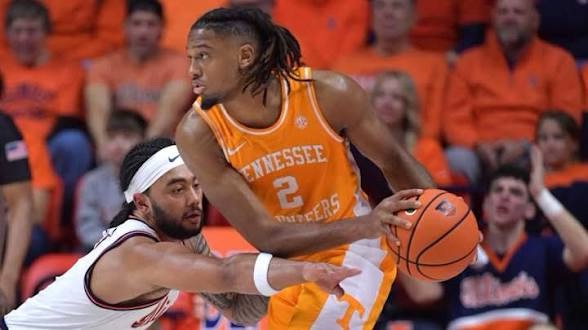
FINAL TAKE — UNIT 1 HOOP SOURCE
Transferring can elevate a career or derail it completely. The portal gives players freedom, but freedom doesn’t guarantee opportunity. Film, fit, and production still decide everything. If you’re not producing, you won’t play. And if you are producing, your game will speak louder than any destination
Editorial disclaimer: (Unit 1 Hoop Source)
All evaluations and features published by Unit 1 Hoop Source are based on firsthand observations, verified film review, and trusted sources. Our content reflects authentic, original journalism intended to provide accurate, fact-checked insight for players, families, coaches, and evaluators.
©2025 Kim Muhammad | Unit 1 Hoop Source. All Rights Reserved.
This article and all written content are protected under U.S. Copyright Law (Title 17, United States Code).
No part may be copied, reproduced, distributed, or used without prior written consent.
Contact:u1hoop@gmail.com
 Unit 1 Hoop Source