
One of the most common misunderstandings in basketball—whether at the high school, college, or professional level—is the belief that team wins and losses automatically define a player’s individual value.
They don’t.
This misconception shows up everywhere: AAU circuits, rebuilding high school programs, college rotations, G League opportunities, and international professional teams. When families don’t understand how players are actually evaluated, frustration often replaces patience—and poor decisions follow.
This article exists to provide clarity, not comfort.
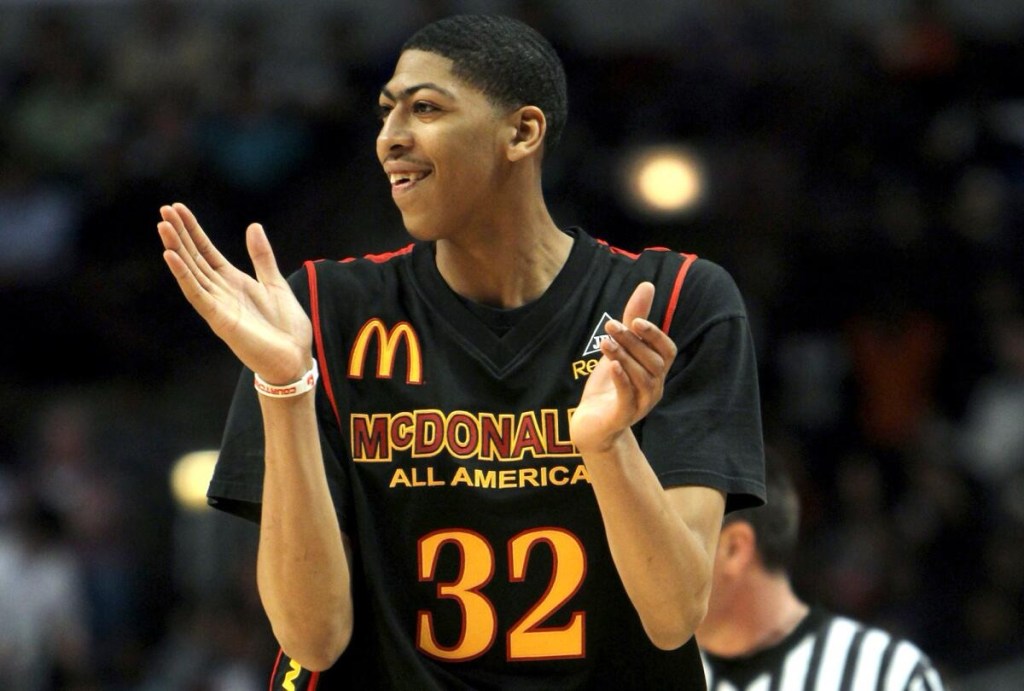
team finished with a losing record, notably 6-19 his senior year
A Reality Many Players Face
Here’s a scenario that repeats itself at every level of the game:
- The team is struggling or rebuilding
- The competition level is legitimate
- The player continues to earn meaningful minutes
- Some nights the shots fall
- Other nights they don’t
Parents often ask:
“If the team is losing, does that hurt my child’s future?”
The honest answer is simple:
Not automatically.
How Players Are Actually Evaluated
As players advance, basketball evaluation becomes process-driven, not scoreboard-driven.
Coaches and evaluators focus on:
- decision-making under pressure
- ball security
- defensive engagement
- response when shots don’t fall
- role stability
- trust from the coaching staff
A player who stays on the floor for extended minutes is being trusted to execute structure, not chase stats. That trust is earned—and it matters more than a box score.

Why a Poor Shooting Night Isn’t Always a Poor Game
Efficiency matters. No one ignores that.
But maturity matters more.
A player who struggles shooting yet:
- doesn’t force shots
- protects the ball
- competes defensively
- stays engaged within the team concept
…is showing growth that doesn’t always appear in raw numbers.
That behavior isn’t accidental. It’s learned—and it translates upward.
Team Record vs. Individual Growth
Parents must understand this distinction:
Team success and individual development are not always aligned.
Some players develop faster because they are tested without insulation—without a deep bench or margin for error. Those environments force accountability, resilience, and adaptability.
Evaluators notice that.
What Parents and Athletes Should Watch Instead
Instead of living and dying with:
- points
- wins and losses
- online narratives
Pay attention to:
- minutes played
- role consistency
- defensive habits
- assist-to-turnover ratio
- body language and composure
These indicators tell the real story of a player’s trajectory.
The Bigger Picture of Basketball Development
Basketball growth is rarely linear.
Progress often looks like:
- learning how to impact games when shots don’t fall
- staying disciplined defensively
- understanding pace, spacing, and timing
- earning trust through reliability
Players who learn these lessons early tend to:
- stay in rotations longer
- handle pressure better
- earn more opportunities
That’s how sustainable basketball careers are built.
UNIT 1 HOOP SOURCE FINAL TAKE
If a player is earning minutes, competing defensively, protecting the ball, and responding correctly to adversity, their development is moving forward, even if the scoreboard doesn’t reflect it yet.
Basketball rewards players who learn how to impact the game when things aren’t going well. Those lessons usually show up later—when the competition is stronger and the margins are thinner.
That isn’t theory.
That’s pattern recognition.
Educational Disclaimer — Unit 1 Hoop Source
This article is provided for educational and informational purposes only. It reflects general basketball evaluation principles and does not constitute recruiting, representation, or placement services.
© 2026 Kim Muhammad | Unit 1 Hoop Source
All Rights Reserved.
Unauthorized reproduction or distribution is prohibited.
Contact: u1hoop@gmail.com
 Unit 1 Hoop Source