
The conversation doesn’t always end abruptly. Sometimes it just changes tone.
A coach who was once enthusiastic becomes measured. A roster that looked manageable suddenly feels crowded. A family that believed there was time to develop starts hearing words like flexibility, patience, and we’ll see how things shake out. Nothing dramatic is said. Nothing is officially taken away. But something has shifted.
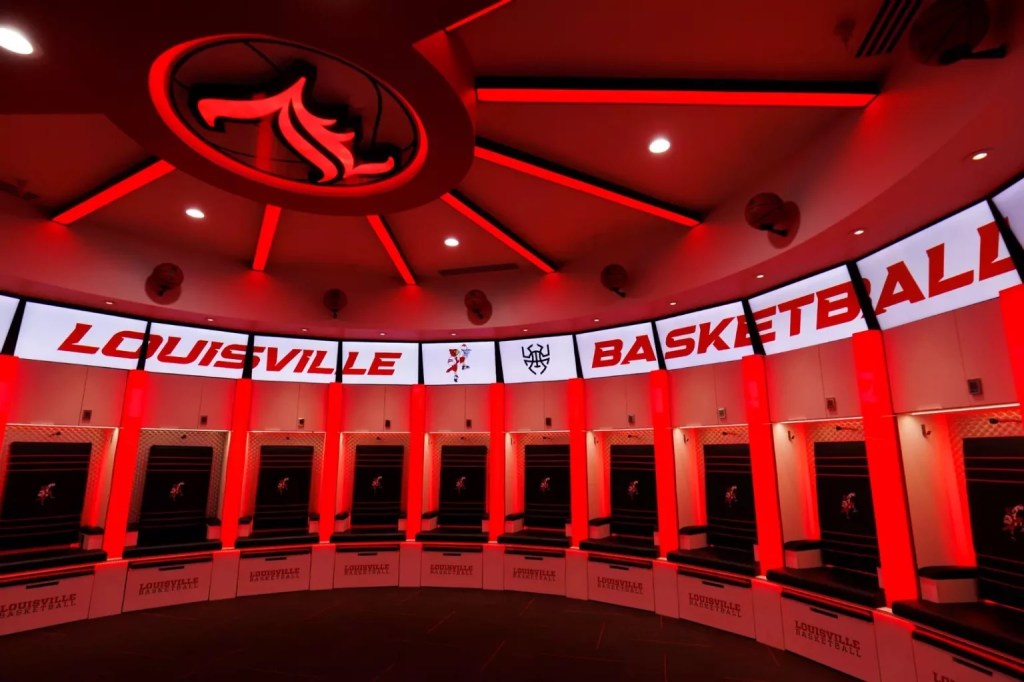
Across college athletics—and most visibly in college basketball—that moment is becoming more common. Not because of a single rule change. Not because of one policy. But because the ecosystem underneath the sport has quietly recalibrated.
This is not a collapse.
It’s a squeeze.
And basketball is where you feel it first.
What Changed—and Why It Feels Sudden
College athletics didn’t wake up one morning and decide to become less forgiving. What families are experiencing today is the downstream effect of institutional pressure that has been building for years.
Universities are dealing with tightening budgets, rising operational costs, shifting enrollment patterns, and increasing scrutiny over how resources are allocated. Athletics, despite its visibility, does not operate in isolation from those realities. In most cases, it absorbs them.
What feels sudden to student-athletes and parents is actually the result of slow-moving decisions finally reaching the roster level. When financial pressure reaches the point where choices must be made, those choices tend to show up in the same places: roster size, scholarship distribution, support services, and patience for long-term development.
The rules may look familiar. The environment is not.
The Budget Reality Behind the Scenes
To understand what’s happening in college basketball, you have to start above basketball.
University budgets are not static. They are influenced by enrollment trends, state funding, donor priorities, debt service, facility maintenance, and the rising cost of doing business in higher education. When those pressures tighten, athletics departments are asked to do more with less—often quietly.
Even at programs that generate revenue, money is rarely as flexible as it appears from the outside. Revenue does not automatically equal surplus. It is allocated, earmarked, and balanced against obligations that extend far beyond one sport.
This matters because when institutions recalibrate financially, athletics must recalibrate operationally. And when athletics recalibrates, basketball—because of its visibility, roster size, and movement—becomes the clearest indicator that something has changed.
Why Basketball Feels It First
Basketball sits at the intersection of exposure and compression.
It has rosters large enough to feel financial pressure quickly, but small enough that every spot matters. It has year-round visibility through recruiting, the transfer portal, and NIL conversations. And it operates in a results-driven environment where patience is increasingly expensive.
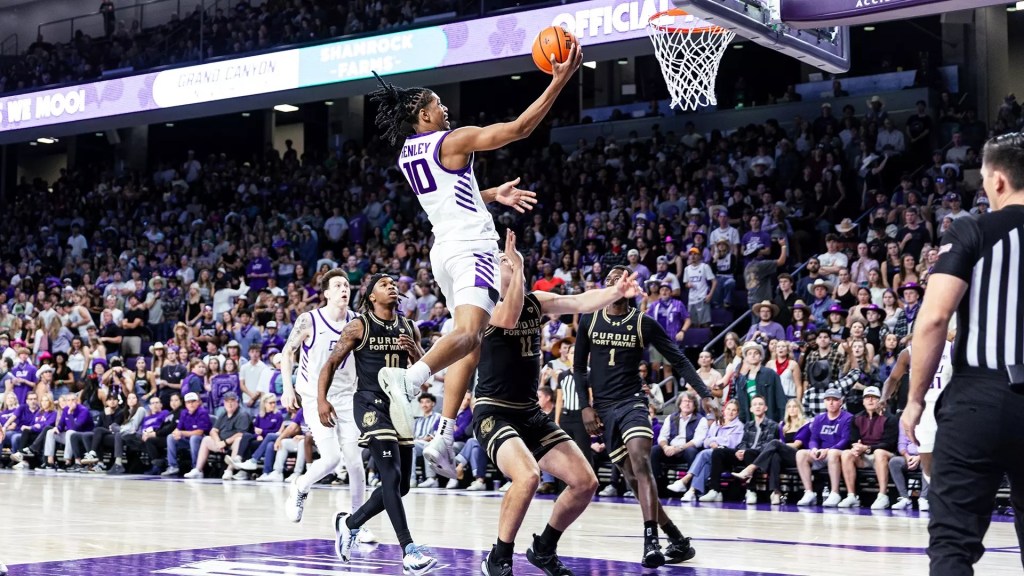
When budgets tighten, basketball programs often respond by prioritizing immediate utility. Players who can help now carry more weight than players who may help later. Development windows shrink. Evaluation becomes sharper. Margins disappear.
What happens in basketball today tends to show up across athletics tomorrow. That’s not because basketball is being targeted—it’s because basketball reveals stress earlier than most sports.
The Compression of Opportunity
One of the clearest outcomes of this shift is the compression of opportunity.
Scholarships are no longer treated as long-term developmental investments in the same way they once were. Roster spots are evaluated more frequently. Walk-on opportunities are fewer. Redshirt years are harder to justify. Transfers are assessed quickly, often with less grace than the recruiting process implies.
This doesn’t mean opportunity has vanished. It means opportunity is more conditional.
The space between earning a spot and keeping it has narrowed. And that reality changes how athletes must approach development, decision-making, and fit.
The Student-Athlete Impact
For student-athletes, this environment rewards readiness and resilience.
There is less margin for slow growth. Fewer chances to “figure it out.” Performance matters earlier. Consistency matters more. The ability to adapt—to systems, roles, and expectations—has become a survival skill.
This is not about unfairness. It’s about clarity. The system is asking more of athletes sooner, not because it wants to, but because it has less room to wait.
Those who understand that early are better positioned to navigate it.
The Parent Perspective: Where Confusion Lives
Parents often feel this shift before they understand it.
Recruiting language hasn’t fully caught up to operational reality. Offers still sound reassuring. Exposure still feels abundant. NIL narratives still dominate conversations. But beneath that messaging, the structural environment has changed.
Many families are navigating the current landscape using outdated assumptions—about timelines, security, and development. The result is confusion, not because anyone is being intentionally misleading, but because the system evolved faster than the language around it.
Information—not access—is now the difference-maker.
Coaches and Administrators in the Middle
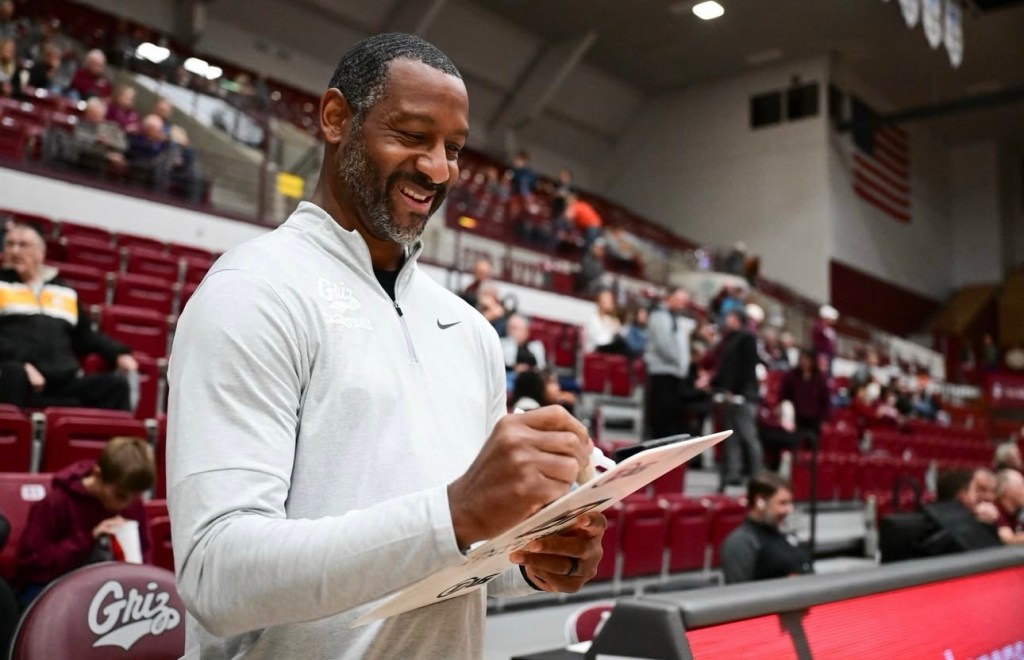
It’s important to understand that coaches and administrators are not operating in a vacuum.
Coaches are balancing competitive expectations with roster math, institutional pressure, and financial constraints. Administrators are tasked with sustaining entire departments while managing optics, compliance, and long-term viability.
These are not easy positions. And they don’t lend themselves to simple explanations.
The tension families feel is often the same tension programs are managing internally—just expressed differently.
What This Means for the Broader Athletic Ecosystem
As college athletics tightens, pathways diversify.
Junior college is regaining importance as a developmental and evaluative space. Overseas opportunities are becoming more realistic earlier in careers. Evaluation is beginning to matter more than rankings. Fit is starting to outweigh logos.
These shifts don’t signal decline. They signal adjustment.
Programs, players, and families who understand the ecosystem—not just the spotlight—will adapt more effectively.
The Unit 1 Hoop Source Perspective
From where we sit—as evaluators, journalists, and participants in this space—the most dangerous thing right now is not change. It’s misunderstanding change.
We’ve spent years inside gyms, on back roads, in conversations that don’t make headlines. What we’re seeing now is not chaos. It’s clarity emerging, slowly and unevenly.
College athletics has entered a more transactional, results-driven phase. That doesn’t eliminate opportunity. It redefines it. And those who approach this era with awareness rather than nostalgia will be better equipped to succeed.
Final Take: Understanding the Shift Before It Costs You
What’s happening across college athletics—and most visibly in college basketball—is not a collapse. It’s a recalibration. Budgets are tightening. Rosters are shrinking. Patience is thinning. And the space between opportunity and security has quietly narrowed.
For families, the danger isn’t that the system is changing. The danger is navigating it with outdated expectations.
Scholarships are more conditional. Development windows are shorter. Coaches are balancing immediate results with institutional pressure that rarely reaches public conversation. In that environment, evaluation, fit, and timing matter more than hype or accumulation of offers.
This moment isn’t about panic. It’s about clarity.
The families who adapt are the ones who understand the ecosystem, not just the offer. The players who last are the ones who value development and stability over optics. And the programs that survive are the ones making hard decisions long before the public notices.
Clarity—not promises—is the most valuable resource in college athletics right now.
Editorial Disclaimer (Unit 1 Hoop Source):
All evaluations, analysis, and commentary published by Unit 1 Hoop Source are rooted in firsthand observation, verified information, and independent journalistic standards. This article is intended to inform athletes, families, coaches, and stakeholders with clarity and integrity.
© 2026 Kim Muhammad | Unit 1 Hoop Source. All Rights Reserved.
This article and all written content on this platform are protected under U.S. Copyright Law (Title 17, United States Code). No part of this material may be reproduced, distributed, or republished without prior written consent.
Contact: u1hoop@gmail.com
 Unit 1 Hoop Source