
Bay Area | Championship Week
When Super Bowl Weekend comes to a city, the spotlight is loud. The activations are fast. The optics dominate the timeline.
But CALI LOVE wasn’t built for optics.
It was built for impact.
During Championship Week in the Bay Area, the Supreme Athletics Health Initiative, led by Leon Muhammad, executed what it had long described as a proof of concept — a five-pillar model centered on experience, service, community integration, operational excellence, and long-term legacy.
Now that the game is over, what remains is more important:
The conversations.
The connections.
The momentum.
This Was Education in Motion
From the beginning, the objective was clear:
Educate the community to take ownership of their health — and reinforce athlete advocacy at every level.
Healthcare providers weren’t present for branding.
They were there to serve.
Free screenings.
Preventative consultations.
Chiropractic care.
Dental education.
Blood pressure checks.
Nutrition and holistic wellness conversations.
Attendees weren’t rushed.
They were informed.
And that distinction is critical.
As Leon Muhammad stated during the event:
“This isn’t about a moment. It’s about building a movement where athletes and the community understand that health is their responsibility — and we’re here to help them take control of it.”
That quote defines the mission.
Reinforcing the Larger Conversation
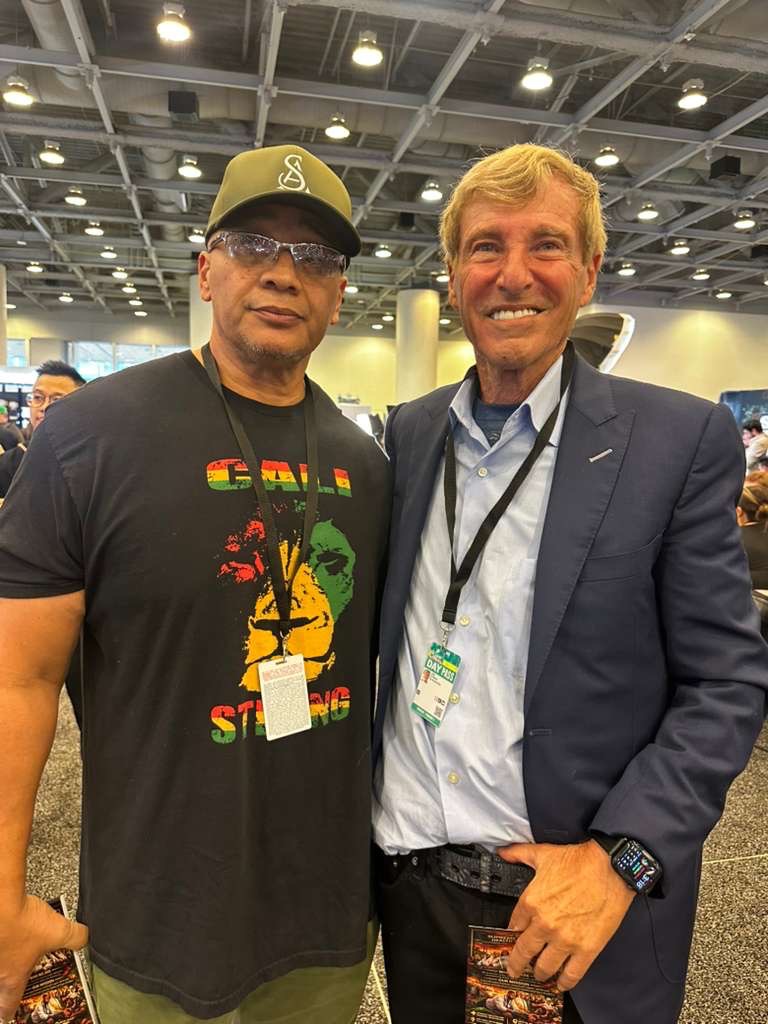
Among those present during CALI LOVE was DeMaurice Smith, former Executive Director of the NFL Players Association, whose presence underscored the seriousness of the initiative’s focus on long-term athlete health and advocacy.
Smith’s leadership tenure with the NFLPA was defined by negotiations centered around player protections, healthcare considerations, and long-term wellness awareness. His participation during Championship Week sent a clear message:
The conversation around athlete health cannot be seasonal.
During his remarks, Smith emphasized the importance of education, accountability, and structural health awareness — reinforcing the principle that players and communities alike must understand and protect their long-term well-being.
His involvement aligned directly with the mission Supreme Athletics continues to build:
Health is not an accessory to performance.
It is the foundation of it.
The Five Pillars Held
Before the event, the model existed in strategy documents.
After CALI LOVE, it exists in proof.
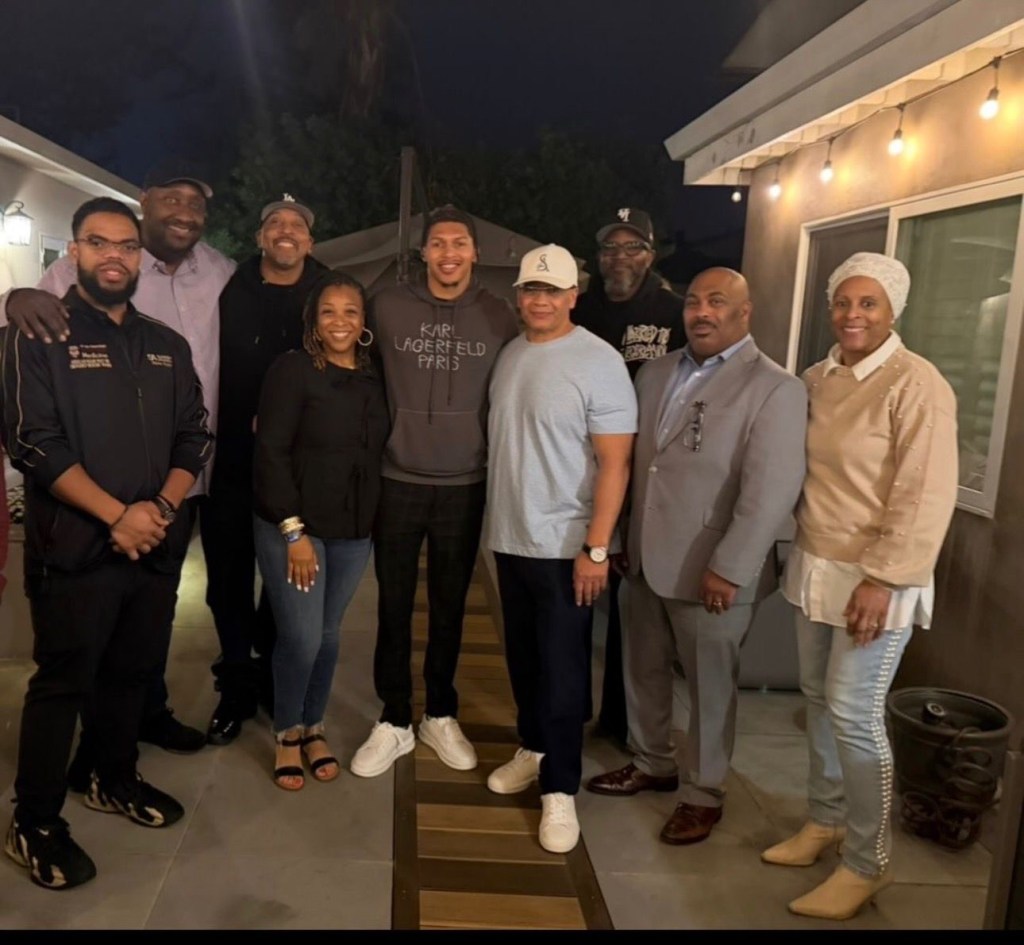
Experience & Flow created comfort and structure.
Services & Value delivered tangible care.
Community & Culture built trust.
Operations & Logistics eliminated distraction.
Media & Data Capture ensured the night didn’t end when the doors closed.
And that’s the difference between activation and execution.
The Impact You Could Measure — and Feel
Yes, the metrics mattered:
- Meaningful attendance
- Dozens of health consultations delivered
- Healthcare providers engaged
- Community leaders present
- Content captured for long-term awareness
But what mattered more was the tone of the room.
Athletes asking deeper questions about longevity.
Community members exchanging information with providers.
Youth coaches discussing preventative care for the next generation.
That’s not noise.
That’s infrastructure forming.
After the Super Bowl
The Super Bowl is over.
The mission is not.
The follow-up conversations continue.
The partnership discussions continue.
The next phase is already in motion.
And that is how you measure whether something mattered.
Not by how loud it was during the weekend —
But by how relevant it remains after it.
Final Take
CALI LOVE was never about competing with Super Bowl energy.
It was about anchoring something sustainable in the middle of it.
Supreme Athletics stepped forward — not for visibility, but for responsibility.
And the proof now exists.
At Unit 1 Hoop Source, we don’t chase noise — we study impact, define structure, and document truth
Editorial Disclaimer – Unit 1 Hoop Source
All evaluations, features, and event coverage published by Unit 1 Hoop Source are based on firsthand observation, verified information, direct collaboration with organizers, and trusted sources. Our content reflects authentic, original journalism intended to provide accurate, fact-checked insight for athletes, families, coaches, healthcare professionals, and community stakeholders.
© 2026 Kim Muhammad | Unit 1 Hoop Source. All Rights Reserved.
This article and all written content on this platform are protected under U.S. Copyright Law (Title 17, United States Code).
No part of this material may be copied, reproduced, republished, distributed, or used in any form without prior written consent from the author. Violators may be subject to civil and criminal penalties.
For permissions or licensing inquiries:
u1hoop@gmail.com
 Unit 1 Hoop Source