
Why Every Rookie Import Must Understand the Business Before Boarding the Plane
The first overseas contract feels like validation.
A young import lands in a new country. The arena lights are bright. The jersey fits. The opportunity feels earned. For many rookies, the focus narrows to one thing: basketball.
Minutes. Production. Film. The next level.
But professional basketball does not begin and end with the ball.
What many first-year imports fail to understand — until they learn it the hard way — is that international basketball is as much a business environment as it is a competitive one. Contracts govern livelihoods. Payment schedules determine stability. Dispute clauses decide leverage. Local labor law can matter as much as a stat line.
Too often, young players obsess over performance and overlook protection.
“I believe education in international basketball is lacking among imports.”
That is not criticism — it is observation.
The information exists. League structures are public. Arbitration systems are documented. Labor regulations are searchable. What separates protected professionals from vulnerable ones is not access to information.
It is processing it.
“It’s not a lack of information. It’s processing the information that separates us.”
Parents, agents, and players frequently focus on opportunity — and rightfully so. But opportunity without structure creates exposure. The good and the bad of international basketball are often preventable when the landscape is studied properly before signing.
Contracts matter. Clauses matter. Representation matters. Local law matters.
An import who studies the legal and structural environment of the country he is entering positions himself differently than one who simply hopes everything works out.
This is not fear-based. It is infrastructure-based.
Because talent may get you signed.
Understanding the business keeps you protected.
Why Player Unions Matter
A legitimate players’ union or association exists to establish minimum standards.
In structured environments, unions can support:
- Defined minimum contract requirements
- Clear salary payment timelines
- Insurance and medical protections
- Grievance procedures
- Dispute-resolution mechanisms
- Collective leverage when systemic issues arise
When a league operates without collectively bargained standards, protection shifts to the individual. Every term becomes negotiable. Every clause becomes critical.
If it is not written into the contract, it does not exist.
The NBA: The Gold Standard of Protection

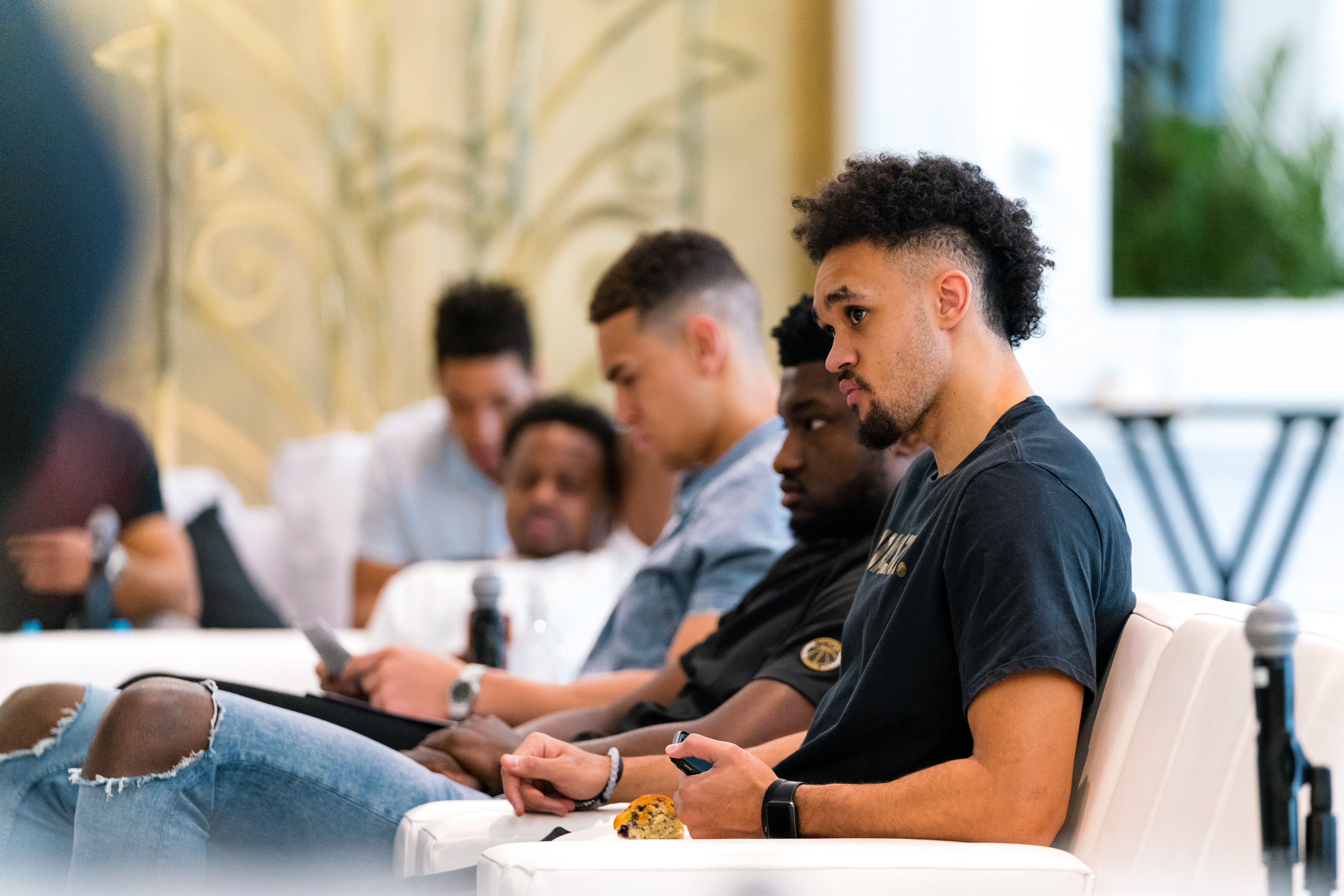
The National Basketball Players Association operates under a collective bargaining agreement that governs minimum salaries, revenue distribution, pension benefits, health protections, standardized contracts, and formal grievance systems.
Infrastructure is centralized. Enforcement is structured.
That level of uniform protection does not universally exist outside the NBA ecosystem.
EuroLeague Framework vs. Domestic League Variability


At the elite European level, the EuroLeague Players Association operates within the EuroLeague Framework Agreement, establishing minimum standards for contracts, payment timing, and insurance protections for EuroLeague athletes.
This represents meaningful structural progress.
However, outside EuroLeague participation, many domestic leagues across Europe operate without league-wide collective bargaining systems. Standards vary by country, league governance, and club stability.
The result: the risk profile shifts to the player.
The Clause That Changes Everything: BAT


The Basketball Arbitral Tribunal (BAT), established by FIBA, provides arbitration for contractual disputes in international basketball.
Key realities:
- BAT jurisdiction is typically activated by a written clause in the contract.
- Without that clause, disputes may default to local labor courts.
- Enforcement requires documentation and legal navigation.
BAT does not eliminate disputes. It creates structure around them.
For rookie imports, that distinction is significant.
The Agent’s Responsibility: Due Diligence Before Deployment
In markets without uniform union leverage, the agent becomes the first structural safeguard.
Professional due diligence should include:
- Verifying club payment history
- Reviewing prior arbitration or dispute patterns
- Clarifying tax responsibility
- Confirming housing obligations
- Confirming medical insurance coverage
- Ensuring enforceable dispute language
Once a player relocates internationally, leverage decreases. Negotiation power exists before arrival — not after.
“Choose your agent wisely” is not casual advice. It is operational strategy.
Spain as a Structural Example
Spain provides one of the clearest examples of how player representation can operate within a domestic European basketball system.
The Liga ACB is widely regarded as one of the strongest domestic leagues in Europe. Alongside its competitive reputation, Spain also has a long-standing players’ union:
- Asociación de Baloncestistas Profesionales (ABP)
Founded in 1986, the ABP represents professional basketball players competing in Spain and has historically played a role in advocating for contractual standards, working conditions, and dispute resolution processes within the Spanish basketball structure.
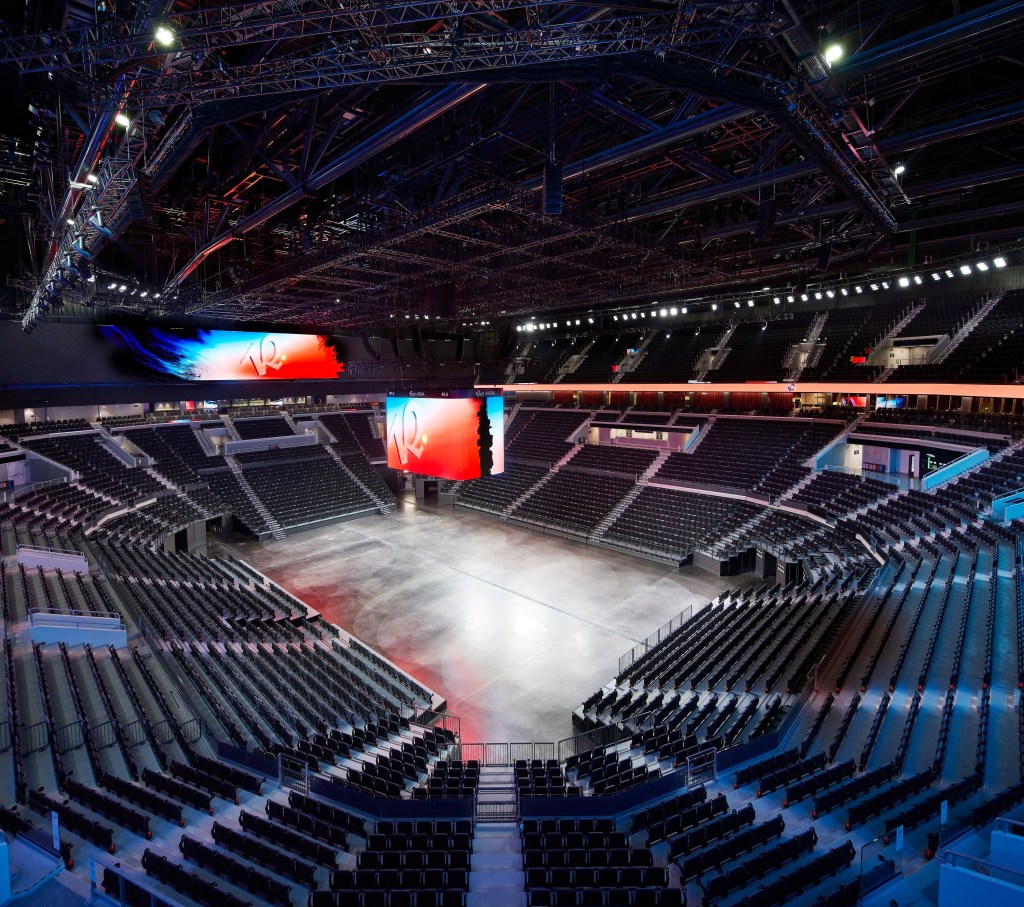
No professional system is without challenges. However, Spain illustrates what structural continuity looks like when player representation has institutional longevity and recognized standing within a domestic league environment.
For rookie imports, the lesson is not about one country versus another. It is about understanding the framework before signing. In leagues where a recognized players’ association has history, membership, and dialogue with league governance, structural clarity is typically more defined.
Across Europe, representation strength varies by country. Some leagues operate with formalized associations that have historical footing. Others rely more heavily on individual contracts, national labor law, and arbitration mechanisms.
An informed import does not assume protection — he verifies the structure.
That verification process is part of professional preparation, not paranoia.
Player Associations Across Europe
Examples of player representation bodies include:
- Asociación de Baloncestistas Profesionales
- GIBA
- Syndicat National des Basketteurs
- PSAK
- Israeli Basketball Players Association
- Athleten Deutschland e.V.
Presence does not automatically equal leverage. Membership, recognition, and enforceable agreements determine effectiveness.
Unions depend on participation. Without membership, protection is limited.
Overseas Protection Checklist for Imports
Before signing internationally, clarity must exist on:
- Salary amount, currency, and payment schedule
- Tax responsibility and documentation
- Housing terms and utilities
- Travel obligations
- Insurance and injury coverage
- Guaranteed vs. non-guaranteed money
- Termination conditions
- Enforceable dispute clause (BAT or equivalent)
If protection is not written clearly, it is not protection.
Final Evaluation Take
Global basketball continues to expand across borders. Structural clarity must expand with it.
Education in international basketball is not optional for rookies, parents, and agents. It is foundational. The business side of the game determines whether opportunity becomes stability — or stress.
Talent gets you signed.
Protection keeps you paid.
At Unit 1 Hoop Source, we don’t chase noise — we study film, define roles, and project truth.
Editorial Disclaimer (Unit 1 Hoop Source):
All evaluations, scouting reports, and features published by Unit 1 Hoop Source are based on firsthand observations, verified film review, and trusted sources. Our content reflects authentic, original journalism and is intended to provide accurate, fact-checked insight for players, families, coaches, and evaluators.
© 2026 Kim Muhammad | Unit 1 Hoop Source. All Rights Reserved.
This article and all written content on this platform are protected under U.S. Copyright Law (Title 17, United States Code).
No part of this material may be copied, reproduced, republished, distributed, or used in any form without prior written consent from the author. Violators will be subject to civil and criminal penalties.
For permissions or licensing inquiries, contact: u1hoop@gmail.com
 Unit 1 Hoop Source