
Introduction — The Reality of the First Professional Season:
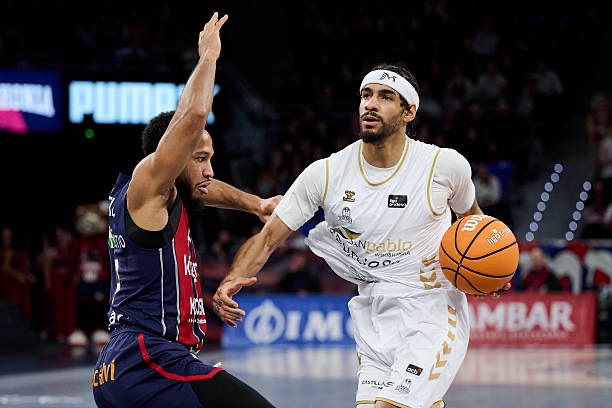
Every year, hundreds of American basketball players complete their college careers and pursue opportunities to continue playing professionally overseas.
For many athletes, signing that first international contract represents the continuation of a lifelong pursuit — the chance to build a professional career through the game of basketball.
But what many players, families, and fans do not fully understand is that the first overseas season is often the most difficult year of a player’s professional journey.
The transition from college basketball to the international professional game involves far more than learning new plays or adjusting to different competition.
It requires adapting to an entirely new basketball ecosystem.
The Professional Adjustment
In college basketball, players operate within an environment designed to support them.
They have:
• structured practice schedules
• familiar teammates
• coaching staffs they’ve known for years
• trainers and academic support systems
• a culture they understand
The professional environment overseas is different.
Rookie American imports must quickly learn how to navigate:
• new coaching philosophies
• unfamiliar teammates
• professional expectations
• international travel
• language and cultural differences
For many players, the adjustment off the court can be just as demanding as the adjustment on it.
The Style of Play Is Different
Another major adjustment comes from the style of basketball itself.
Many international leagues emphasize a structured, team-oriented style of play that differs from what American players experienced in college.
The international game often prioritizes:
• ball movement and spacing
• disciplined defensive rotations
• decision-making within offensive systems
• patience in half-court execution
Players who succeed are those who quickly learn how to operate within these systems while still bringing their individual strengths to the floor.
Why Inconsistency Happens
Because of these adjustments, inconsistency during a player’s first professional season overseas is common.
Even talented guards and experienced college players may go through stretches where production fluctuates while they learn how to navigate the professional environment.
From an evaluation standpoint, experienced coaches and scouts rarely judge first-year imports based on a short stretch of games.
Instead, they look for indicators that translate long-term across leagues and seasons.
These indicators often include:
• effort and competitiveness
• defensive commitment
• decision-making under pressure
• composure during adversity
• ability to contribute to winning basketball
These traits reveal far more about a player’s long-term professional potential than a small sample of box scores.
Building a Professional Foundation
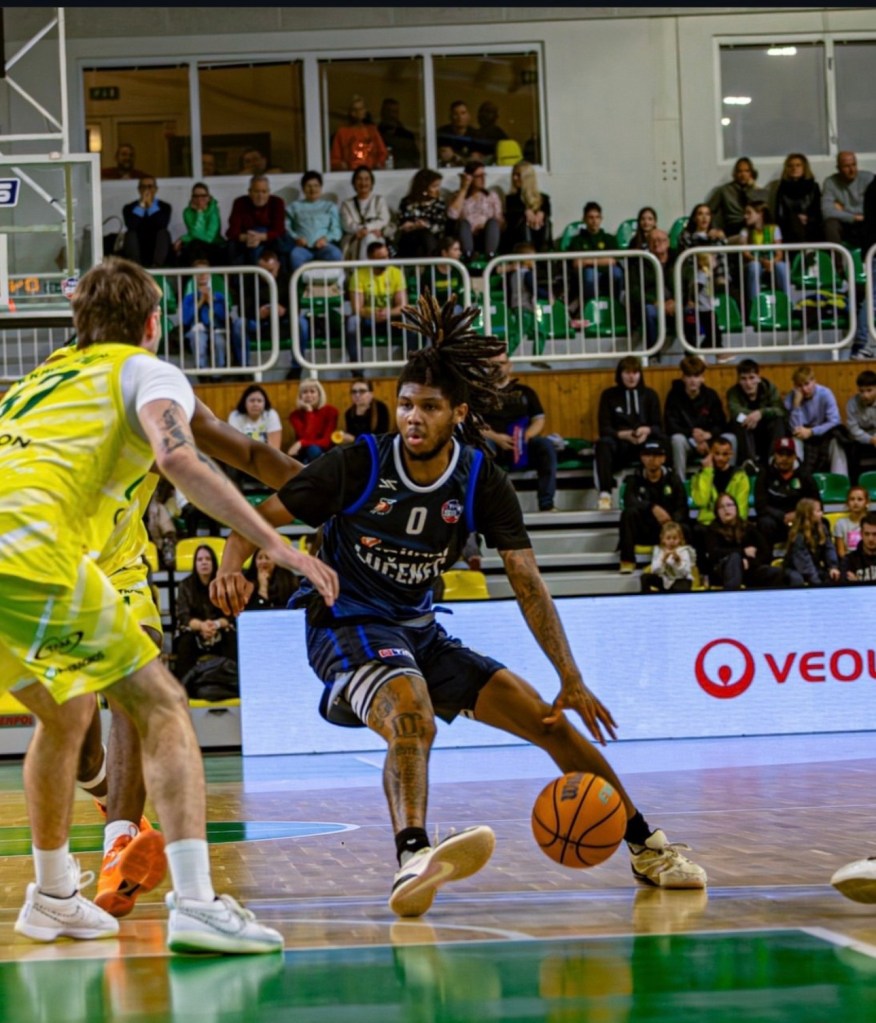
For many American players, the first overseas season serves as a foundation.
It is the year where athletes learn how the global basketball marketplace operates while beginning to establish their professional reputation.
Players who approach this stage of their careers with humility, discipline, and a willingness to adapt often discover that the early challenges become valuable lessons that shape their long-term development.
Success in international basketball is rarely defined by a single season.
More often, it is built through experience, growth, and the ability to evolve within the professional game.
Final Perspective
The global basketball ecosystem offers tremendous opportunities for players willing to embrace the process.
But understanding the realities of that process is essential.
The first overseas season is not simply about statistics or highlight performances.
More often, it is about learning how to operate as a professional.
Players who successfully navigate that transition often find themselves building careers that extend far beyond their first contract abroad.
At Unit 1 Hoop Source, we don’t chase noise — we study film, define roles, and project truth.
Editorial Disclaimer (Unit 1 Hoop Source):
All evaluations, scouting reports, and features published by Unit 1 Hoop Source are based on firsthand observations, verified film review, and trusted sources. Our content reflects authentic, original journalism and is intended to provide accurate insight for players, families, coaches, and evaluators.
© 2026 Kim Muhammad | Unit 1 Hoop Source. All Rights Reserved.
 Unit 1 Hoop Source