
Category: Basketball Education
Series: Decoding Basketball Terminology – The Language of Player Evaluation
Introduction
Spend enough time around serious basketball environments—AAU tournaments, college practices, or professional scouting workouts—and you’ll start hearing a word that carries enormous weight in evaluation conversations:
Upside.
Coaches talk about it during recruiting. Scouts mention it when projecting draft prospects. Evaluators use it when comparing players who may look similar today but could develop very differently tomorrow.
Yet outside of those circles, the term often gets misunderstood.
Some people assume “upside” simply means talent. Others think it refers to athleticism or scoring ability. In reality, the concept goes much deeper.
Understanding upside is essential if you want to truly understand how basketball players are evaluated and projected over time.
Term
Upside
Category
Long-Term Projection / Player Evaluation
What It Means
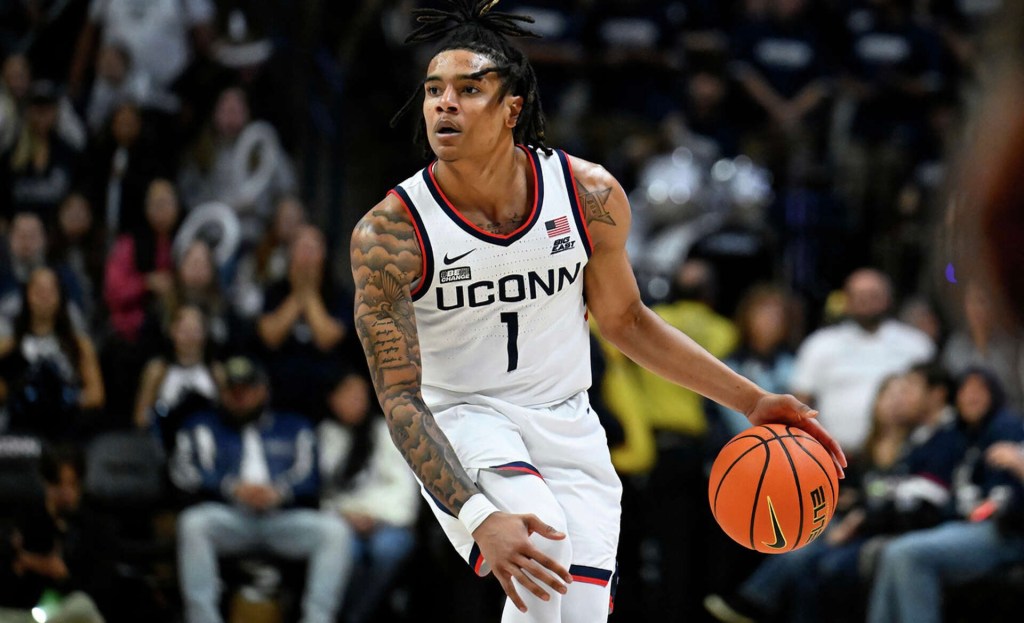
In basketball evaluation, upside refers to a player’s long-term developmental potential.
It’s the ceiling of what a player could eventually become if their tools, skills, and basketball instincts continue to grow with the right coaching, experience, and work ethic.
Upside is not about where a player is today.
It’s about where they could be tomorrow.
Evaluators look at a player and ask a simple but powerful question:
“If everything develops correctly, what can this player become in two, three, or five years?”
That answer represents their upside.
Scouting Breakdown
When scouts discuss upside, they’re usually evaluating a combination of factors:
Physical Tools
Height, wingspan, frame, athleticism, and movement ability.
Skill Flashes
Moments that show a skill that isn’t fully developed yet—shooting touch, ball handling, defensive instincts, or passing vision.
Development Curve
Younger players often have more upside because they have more time to improve physically and mentally.
Basketball Instincts
Feel for the game, awareness, and decision-making that can expand with experience.
Work Ethic and Environment
Upside is only realized when a player develops within the right system, coaching structure, and personal discipline.
In evaluation settings, a player with upside might not dominate today—but they show traits that suggest they could dominate later.
Real Basketball Examples
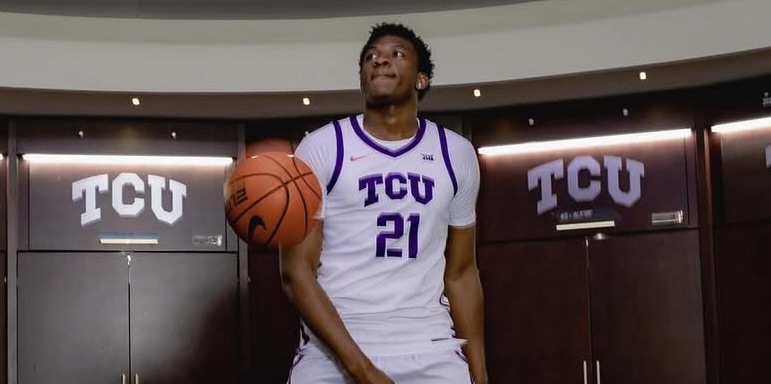
The history of basketball is full of players who were drafted or recruited largely because of their upside.
Giannis Antetokounmpo
When Giannis entered the NBA Draft, he was raw, thin, and relatively unknown internationally. But scouts saw a rare combination of length, coordination, and athletic tools. That upside eventually turned him into an NBA champion and MVP.
Kawhi Leonard
At San Diego State, Kawhi was known more for defense and rebounding than scoring. But scouts recognized the upside in his frame, hands, and work ethic. Over time, his offensive game developed into one of the most complete skill sets in the league.
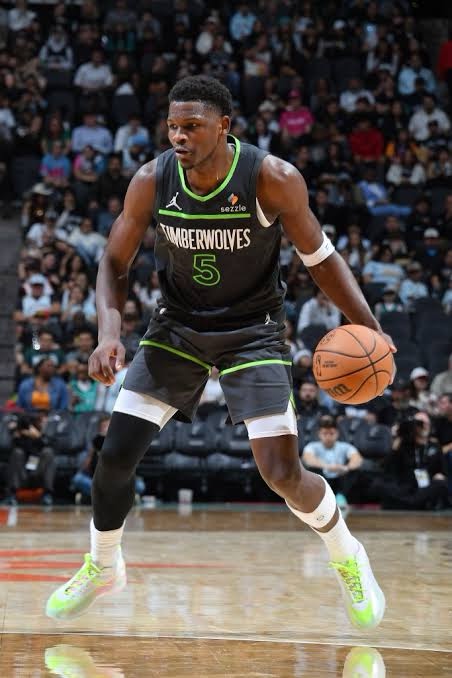
Anthony Edwards
Even with questions about shot selection coming out of college, Edwards possessed elite physical tools and explosiveness. Teams bet on his upside—and he has grown into one of the league’s most dynamic young stars.
These examples highlight an important truth:
Upside is a projection, not a guarantee.
But when organizations identify it correctly, it can change the trajectory of a franchise.
Why It Matters
Upside plays a major role in recruiting and professional scouting.
Teams often face a difficult decision:
Do they take the player who is better today, or the player who could be much better tomorrow?
In many cases, organizations invest in upside because development systems are designed to unlock that potential over time.
Upside also influences:
• recruiting priorities
• draft decisions
• player development strategies
• long-term roster building
Understanding upside helps evaluators identify players who may outgrow their current level of competition.
For Players and Parents
One of the biggest mistakes families make is focusing only on current performance.
A player might dominate early because they are physically mature for their age. But that doesn’t always mean they have the highest upside.
Meanwhile, another player might still be developing physically but shows:
• coordination
• instincts
• length
• shooting touch
• flashes of skill
Those traits often signal future potential.
Instead of asking:
“Is my child the best player today?”
A better question is:
“Is my child developing traits that will translate to higher levels of basketball?”
That’s the real conversation around upside.
Key Takeaways
• Upside refers to a player’s long-term developmental ceiling.
• It combines physical tools, skill flashes, instincts, and growth potential.
• Upside is about future projection, not just current production.
• Many successful players were drafted or recruited because scouts recognized their upside early.
• Development, work ethic, and environment determine whether upside is realized.
Final Thought
Upside represents the unfinished version of a player.
It’s the part of a game that hasn’t fully arrived yet—the skills still forming, the physical traits still growing, and the instincts still sharpening.
Great evaluators learn to see that future version long before everyone else does.
And once you understand how upside works, you start watching basketball differently.
You begin looking beyond the box score and highlights.
You start asking a deeper question:
What could this player become?
At Unit 1 Hoop Source, we don’t chase noise — we study film, define roles, and project truth.
Editorial Disclaimer – Unit 1 Hoop Source
All evaluations, scouting reports, and features published by Unit 1 Hoop Source are based on firsthand observations, verified film review, and trusted sources. Our content reflects authentic, original journalism and is intended to provide accurate, fact-checked insight for players, families, coaches, and evaluators.
© 2026 Kim Muhammad | Unit 1 Hoop Source. All Rights Reserved.
 Unit 1 Hoop Source