
Category: Basketball Education
Series: Decoding Basketball Terminology – The Language of Player Evaluation
Introduction
Spend enough time around serious basketball environments—AAU tournaments, college practices, pre-draft workouts, or professional scouting sessions—and you will frequently hear evaluators reference a player’s “tools.”
The term appears constantly in scouting conversations:
“He has the tools.”
“The tools are intriguing.”
“If the tools develop, the ceiling is high.”
But within the language of basketball evaluation, tools carry a very specific meaning.
Understanding what scouts mean when they discuss a player’s tools is essential for anyone studying how talent is projected across the basketball landscape.
What Are “Tools” in Basketball Evaluation?
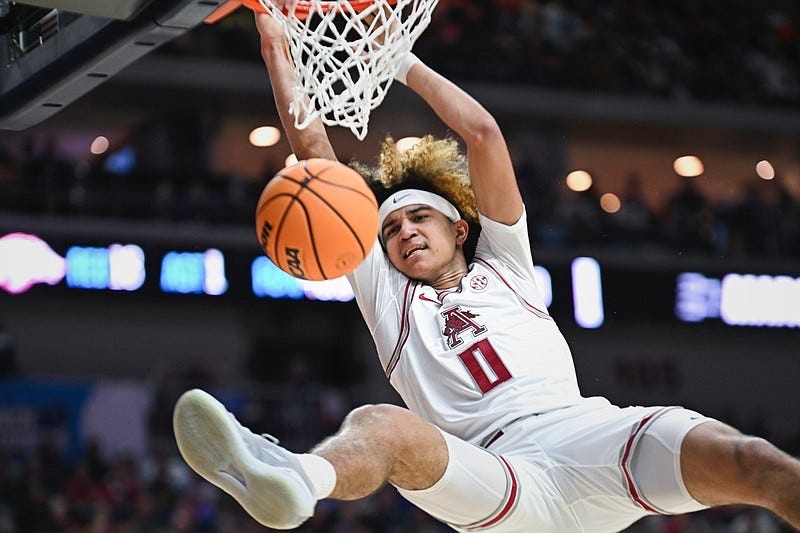
In scouting language, tools refer to the physical and athletic traits a player possesses that cannot easily be taught.
These attributes form the physical foundation of a player’s long-term potential.
While skill development, experience, and coaching can refine a player’s game, tools represent the natural athletic characteristics that often determine how a player’s game may translate as competition improves.
Evaluators frequently study tools early in the evaluation process because they help answer a critical question:
Does this player possess the physical attributes necessary to compete at higher levels of basketball?
Common Physical Tools Scouts Evaluate
When scouts reference tools, they are typically examining several key physical traits.
Length
Wingspan and reach influence nearly every aspect of the game—defense, rebounding, shot contests, and finishing ability around the rim.
Players with exceptional length can impact plays even when they are not perfectly positioned.
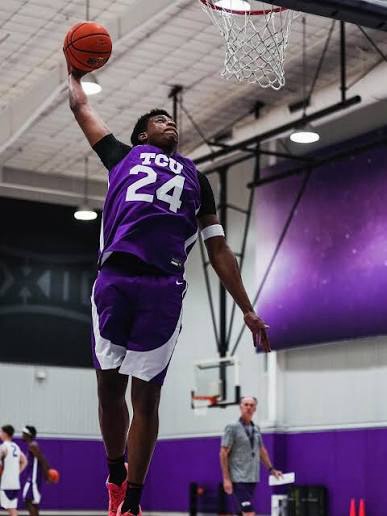
Athletic Explosion
Explosiveness, vertical lift, and first-step quickness often separate players in transition and attacking the basket.
Athletic explosion can also determine a player’s ability to defend high-level athletes.
Lateral Mobility
Defensive versatility begins with the ability to move laterally.
Players who can slide their feet, maintain balance, and stay in front of offensive players often project as stronger defenders across multiple positions.
Frame and Strength Potential
A player’s physical build influences how they absorb contact, defend physical matchups, and develop strength as their career progresses.
Certain body types translate more naturally to the physical demands of higher-level basketball.
Coordination and Fluid Movement
Some athletes move with natural fluidity and coordination.
This trait often allows their game to scale more smoothly when the pace and complexity of competition increases.
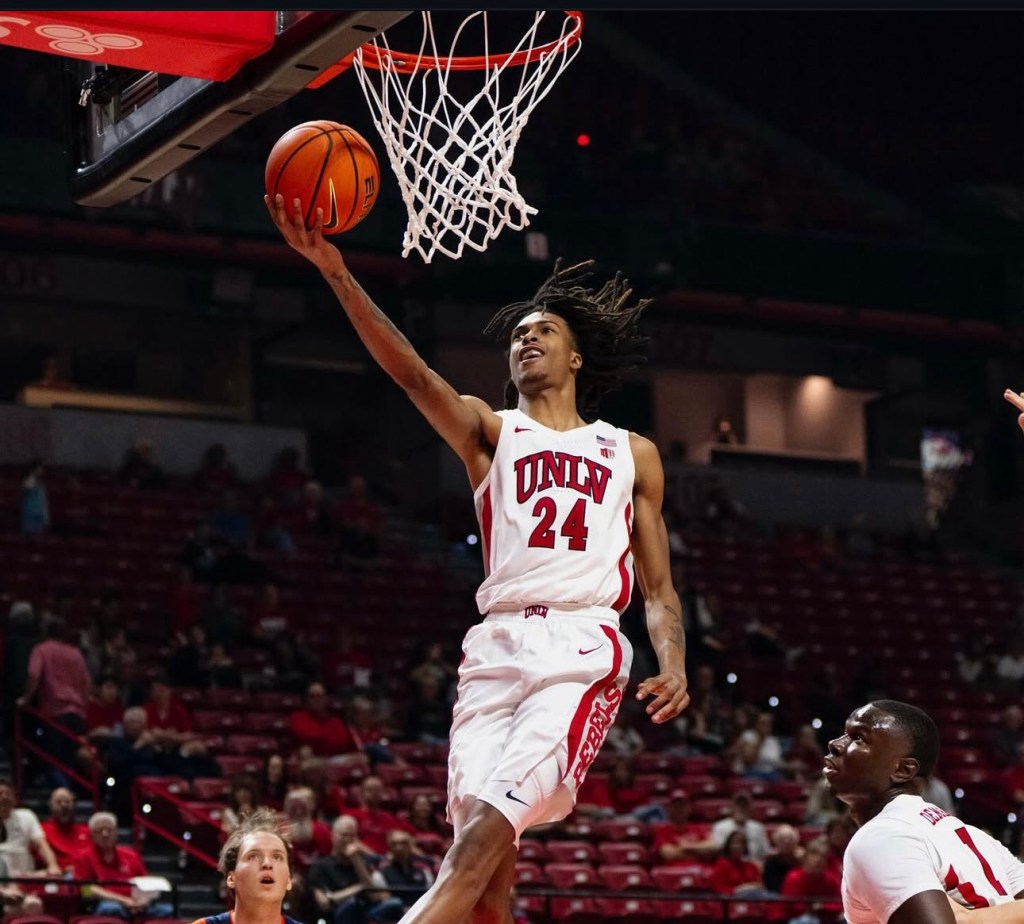
Why Tools Matter in Player Projection
At lower levels of competition, players can often dominate games through skill alone.
But as athletes progress through the basketball ecosystem—from high school to college to professional basketball—the game becomes significantly more physical.
Players become:
- Faster
- Stronger
- More athletic
- More disciplined defensively
Because of this, evaluators study tools carefully when projecting long-term potential.
A player with developing skills but strong physical tools may still draw interest from scouts because the physical framework exists for long-term development.
Tools vs. Skill Development
One of the most important distinctions evaluators make is the difference between tools and skill.
Skills such as shooting, ball handling, and passing can improve through repetition and coaching.
However, physical tools such as length, athletic explosiveness, and frame are largely determined by an athlete’s natural makeup.
This is why many scouts operate under a common evaluation principle:
Skill can improve with development. Physical tools are far more difficult to create.
The most complete prospects typically combine strong tools, skill development, basketball IQ, and competitive motor.
Final Evaluation Take
When scouts discuss a player’s tools, they are identifying the physical attributes that help determine how a player’s game may translate as the level of competition rises.
Length, athleticism, mobility, coordination, and physical frame form the foundation of a player’s long-term projection.
While tools alone do not guarantee success, they often represent the physical platform that supports future development.
For serious evaluators, understanding tools is a fundamental step in projecting how a player may perform as the game becomes faster, stronger, and more demanding.
At Unit 1 Hoop Source, we don’t chase noise — we study film, define roles, and project truth.
Editorial Disclaimer (Unit 1 Hoop Source)
All evaluations, scouting reports, and features published by Unit 1 Hoop Source are based on firsthand observations, verified film review, and trusted sources. Our content reflects authentic, original journalism and is intended to provide accurate, fact-checked insight for players, families, coaches, and evaluators.
© 2026 Kim Muhammad | Unit 1 Hoop Source. All Rights Reserved.
This article and all written content on this platform are protected under U.S. Copyright Law (Title 17, United States Code).
No part of this material may be copied, reproduced, republished, distributed, or used in any form without prior written consent from the author. Violators will be subject to civil and criminal penalties.
For permissions or licensing inquiries contact:
u1hoop@gmail.com
 Unit 1 Hoop Source