
Introduction
In evaluation settings—whether it’s a college film room or a professional scouting report—there are moments when the conversation shifts away from measurable traits.
The discussion isn’t about height.
It isn’t about athleticism.
It isn’t even about scoring production.
It becomes about something harder to quantify:
“Does he feel the game?”
That question carries weight because it reflects how a player processes basketball in real time—when the game is live, unscripted, and constantly changing.
Some players rely on instruction.
Others rely on instinct.
And at higher levels of basketball, that difference becomes very clear.
Term
Feel for the Game
Category
Instincts / Basketball IQ / Decision-Making
What It Means
Feel for the game is a player’s natural ability to read, process, and react within the flow of basketball—without hesitation or wasted movement.
It shows up in how a player:
- anticipates defensive rotations
- understands spacing instinctively
- makes quick, efficient decisions
- stays composed under pressure
- moves with purpose without the ball
Players with feel don’t force the game.
They operate within it—and often control it.
Scouting Breakdown
From an evaluation standpoint, feel is tied directly to processing speed and instinctive decision-making under live conditions.
Scouts evaluate:
Processing Speed
How quickly does the player recognize what’s happening?
Decision Efficiency
Are decisions immediate and purposeful—or delayed?
Spatial Awareness
Do they understand spacing without being told?
Offensive Flow
Do they keep the offense moving or disrupt rhythm?
Defensive Anticipation
Are they reacting late or arriving early?
High-feel players don’t just react.
They operate a step ahead of the action.
Real Basketball Examples
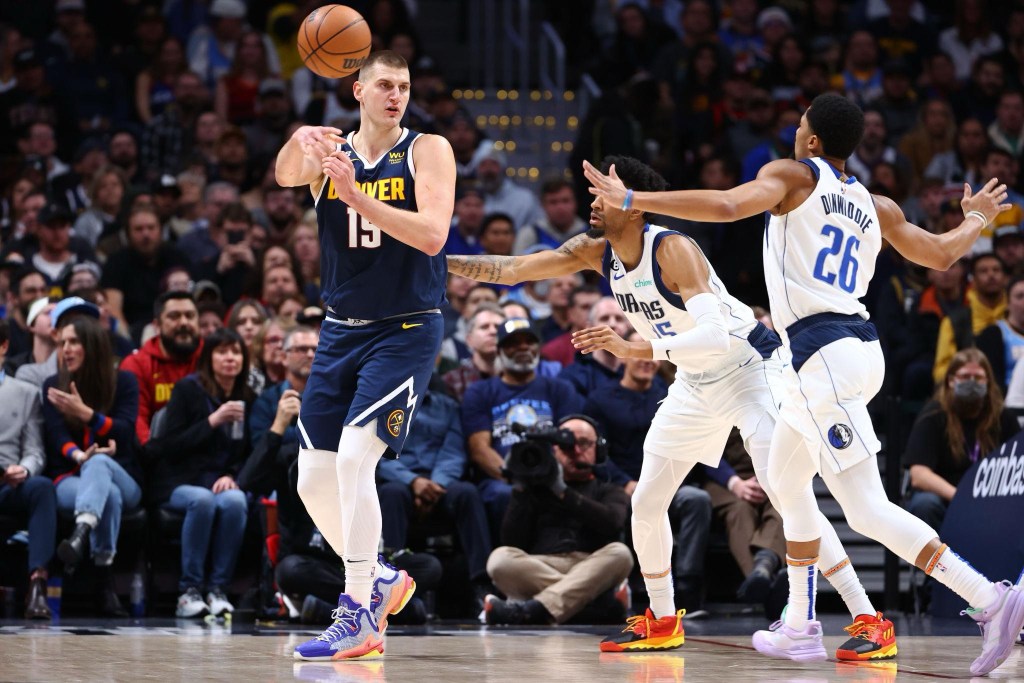
Nikola Jokić
Elite processing, elite timing. Jokić manipulates defenses with anticipation, not speed. His ability to deliver passes before windows fully open defines high-level feel.
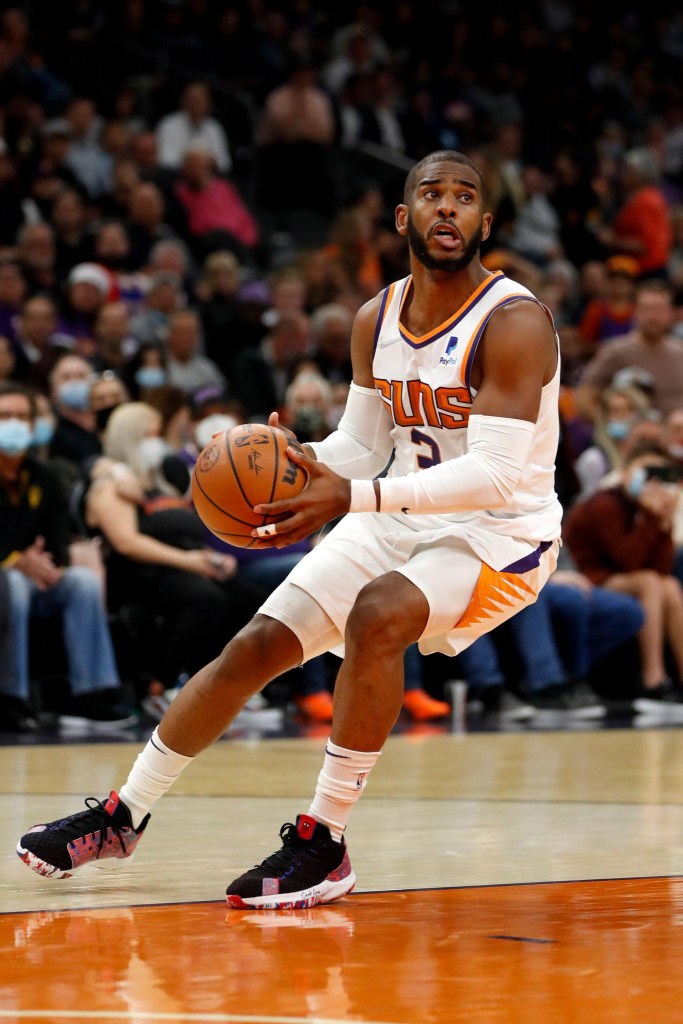
Chris Paul
One of the best examples of controlling pace and decision-making. His reads in pick-and-roll situations consistently create efficient offense.
Luka Dončić
Dončić plays at his own rhythm. His ability to read multiple layers of defense and manipulate positioning is rooted in feel, not athleticism.
Jalen Brunson (Villanova)
At the college level, Brunson’s feel separated him. His footwork, decision-making, and composure allowed him to control games without relying on elite physical tools.
Why It Matters
As competition levels increase:
- decision windows shrink
- defensive complexity increases
- pace accelerates
Players with feel:
- make fewer mistakes
- create efficient offense
- stay composed under pressure
- elevate team play
- earn trust from coaches
At higher levels, coaches don’t just want talent.
They want players who understand the game without needing constant direction.
For Players and Parents
Feel is partially natural—but it can be developed.
Players can improve feel through:
- film study
- live-game reps
- understanding spacing and timing
- playing against higher-level competition
- simplifying decision-making
Players who grow in this area:
- make quicker reads
- reduce turnovers
- improve efficiency
- impact winning
Parents should understand:
Not all impact shows in stats.
Some players control the game through awareness, positioning, and decisions.
That’s feel.
Key Takeaways
- Feel for the game is rooted in instinct and processing speed
- It allows players to make efficient real-time decisions
- High-feel players control pace, spacing, and flow
- It often outweighs athleticism at higher levels
- It can be developed through experience and film study
Final Thought
Feel is what separates players who participate in the game from players who understand it.
It’s not always visible in highlights.
But it’s always visible in winning.
And when evaluators study players who consistently impact the game in subtle, efficient ways, the conclusion is usually the same:
They feel the game before it happens.
At Unit 1 Hoop Source, we don’t chase noise — we study film, define roles, and project truth.
This article is part of the Decoding Basketball Terminology series from Unit 1 Hoop Source — a basketball education project designed to help players, parents, and coaches understand the language of player evaluation.
Editorial Disclaimer – Unit 1 Hoop Source
All evaluations, scouting reports, and features published by Unit 1 Hoop Source are based on firsthand observations, verified film review, and trusted sources. Our content reflects authentic, original journalism and is intended to provide accurate, fact-checked insight for players, families, coaches, and evaluators.
© 2026 Kim Muhammad | Unit 1 Hoop Source. All Rights Reserved.
 Unit 1 Hoop Source