
What Recruits and Families Need to Understand About Modern Recruiting
The modern recruiting landscape in college basketball has changed dramatically.
The transfer portal has reshaped roster construction. NIL opportunities have introduced new financial dynamics. Exposure platforms and social media have expanded visibility for prospects across the country.
Yet despite all of those changes, the foundation of how college basketball coaches evaluate players has remained remarkably consistent.
For every highlight video circulating online and every recruiting ranking debated across the internet, coaches inside college programs are asking a much simpler question:
Can this player help us win — and can we trust him inside our program every day?
That question extends far beyond talent.
It includes a player’s mentality, discipline, emotional maturity, coachability, work ethic, and the environment surrounding him.
For families navigating recruiting for the first time, understanding what coaches truly look for can make the difference between confusion and clarity.
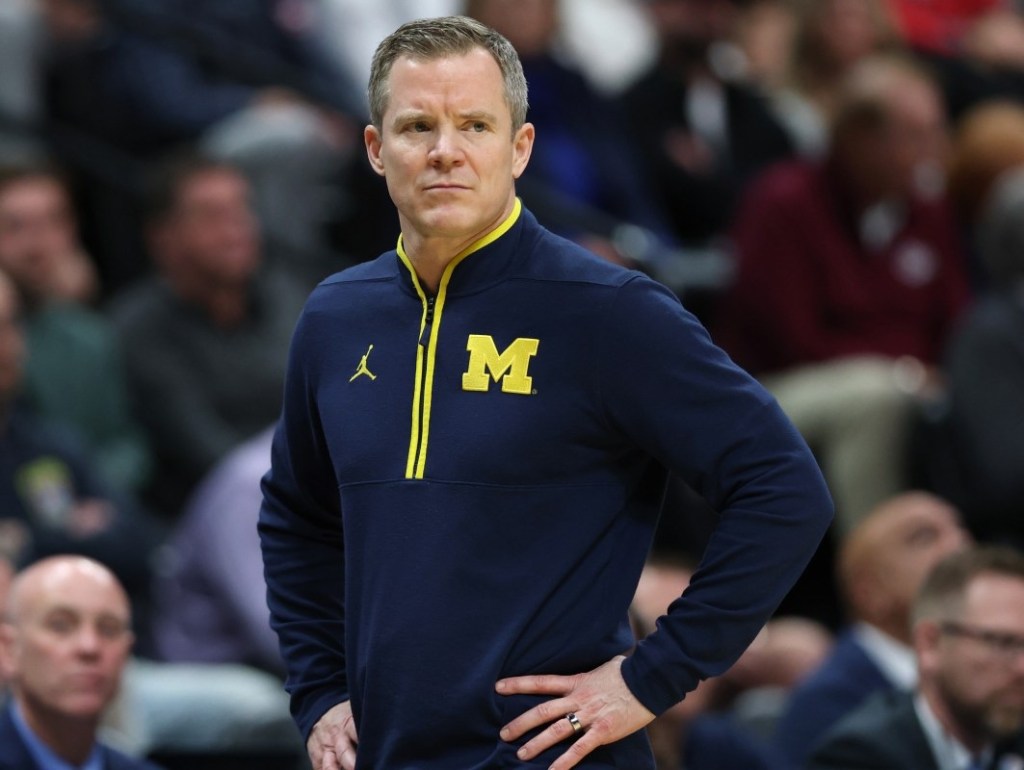
The First Evaluation: Physical Tools and Game Translation
When college coaches walk into a high school gym or grassroots tournament, the first evaluation happens quickly.
They are looking at measurable traits and movement patterns:
- Size and positional length
- Athleticism and functional quickness
- Coordination and body control
- Skill level within live game situations
- Ability to defend and move laterally
- Decision-making speed
These physical and basketball traits determine whether a prospect fits the level of play being evaluated.
However, coaches are not simply asking whether a player is talented.
They are asking whether the player’s game translates to college basketball structure.
Former Villanova head coach Jay Wright once summarized the evaluation process simply:
“Everybody’s talented at this level. What separates players is their ability to understand the game, accept coaching, and do the little things that help teams win.”
A player who scores 25 points in a grassroots setting may still raise concerns if his style requires dominating the ball, ignoring defensive responsibilities, or playing outside of structure.
College coaches recruit roles, not just talent.
They want players who can fit inside a system and execute responsibilities within a team environment.
Coaches Are Evaluating More Than Basketball
Families often believe coaches are evaluating only the player’s performance.
In reality, the evaluation expands almost immediately beyond statistics.
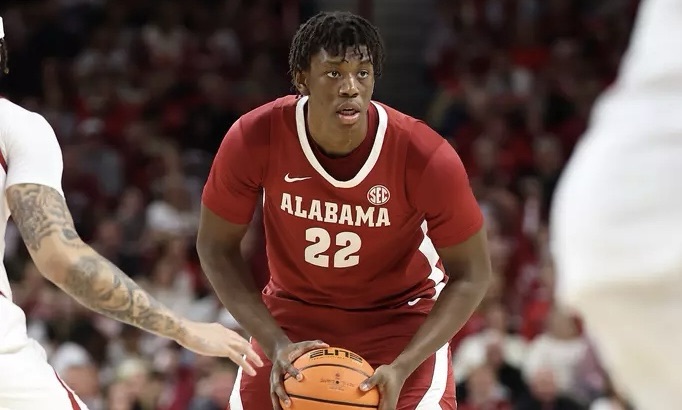
Coaches observe:
- Body language during adversity
- Communication with teammates
- Effort when not involved in the play
- Reaction to coaching
- Engagement from the bench
- Emotional stability
Legendary UConn head coach Geno Auriemma has spoken openly about the importance of body language when evaluating players:
“Body language tells you everything about a player. You can tell who wants to compete, who wants to lead, and who shuts down when things don’t go their way.”
Those moments matter.
A player who misses a shot but sprints back on defense sends a different message than one who argues with referees or disengages from the game.
These subtle responses help coaches project how a player will handle adversity at the college level.
Coachability: The Trait Coaches Value Most
While athletic ability opens the door, coachability determines who stays in the room.
College basketball demands constant correction, accountability, and adjustment.
Players who cannot handle coaching rarely survive long inside serious programs.
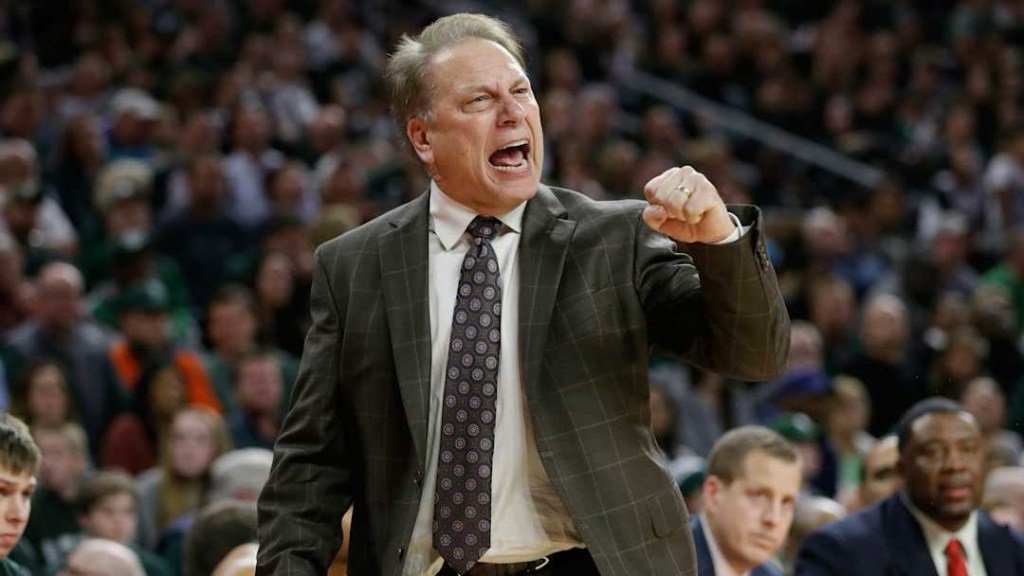
Hall of Fame Michigan State coach Tom Izzo has repeatedly emphasized the importance of coachability in recruiting:
“Talent gets you noticed, but coachability determines how far you go.”
College coaches are watching closely for how players respond to instruction.
When a coach corrects a player during a game, evaluators observe the reaction.
Does the player listen?
Does he make the adjustment?
Or does he respond with frustration, excuses, or disengagement?
These reactions reveal far more than a highlight play.
They reveal whether a player is capable of developing.
Emotional Maturity and Competitive Resilience
College basketball is emotionally demanding.
Players face difficult practices, reduced roles, losses, and public criticism.
The ability to remain composed through adversity is one of the most valuable traits coaches look for.
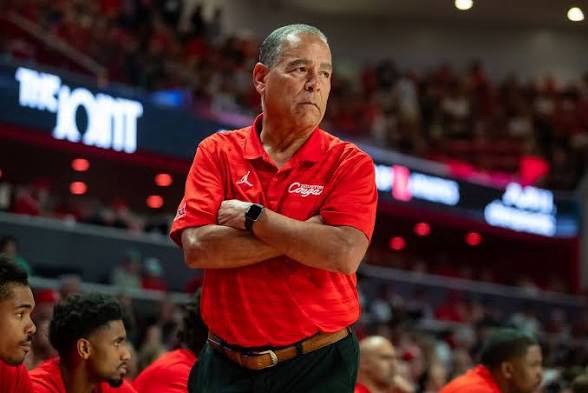
Houston head coach Kelvin Sampson, known for building disciplined programs, has spoken about the importance of emotional resilience:
“The players who succeed are the ones who stay steady. They don’t ride emotional highs and lows — they keep competing.”
This emotional stability shows itself in simple moments:
- Accepting a substitution without frustration
- Supporting teammates from the bench
- Handling mistakes without visible frustration
- Maintaining focus late in games
Coaches look for players who compete consistently, regardless of circumstances.
Work Ethic Still Separates Prospects
Despite changes in recruiting technology and exposure, one truth remains unchanged.
Coaches still recruit workers.
Work ethic appears in small details throughout a game:
- Sprinting the floor in transition
- Pursuing rebounds outside a player’s immediate area
- Communicating on defense
- Making the extra effort play
Gonzaga head coach Mark Few has often spoken about the importance of daily habits in player development:
“Talent matters, but habits determine who improves. The guys who love the work are the ones who keep getting better.”
College programs are long-term environments.
Coaches want players who are motivated to develop over time, not just players who enjoy the spotlight of recruiting attention.
Coaches Are Also Evaluating Families
One of the least discussed aspects of recruiting is that parents are evaluated as well.
College coaches frequently observe family behavior during recruiting events.
They pay attention to:
- Sideline behavior
- Communication style
- Respect toward coaches and officials
- Expectations around playing time and development
Former college coaches often say the same thing privately:
Programs want families who understand boundaries.
A supportive parent who allows the coaching staff to coach is seen as a positive signal.
Parents who publicly criticize coaches, argue with officials, or intervene constantly in their child’s recruiting process can raise concerns about potential long-term challenges.
Recruiting is not only about talent.
It is also about building a healthy environment around the athlete.
NIL and the Transfer Portal Have Changed the Landscape
Modern recruiting now exists within two powerful structural forces:
- NIL opportunities
- The transfer portal
Coaches must balance recruiting high school prospects with evaluating experienced college transfers who may be able to contribute immediately.
However, even with those new dynamics, the core principles of evaluation remain the same.
Programs still prioritize:
- Development potential
- Program fit
- Character and coachability
- Long-term reliability
NIL may influence decisions, but it does not replace the foundational traits coaches need inside their programs.
Preparing for the College Environment
For young athletes hoping to play at the next level, preparation must extend beyond skill development.
Players should be developing habits that college coaches value long before recruiting begins.
Those habits include:
- Accepting coaching without resistance
- Communicating respectfully with teammates and coaches
- Maintaining consistent effort regardless of circumstances
- Handling adversity with composure
- Taking responsibility for mistakes
- Understanding team roles
These behaviors build trust — and trust is essential inside a college program.
The Reality of Recruiting
Recruiting is often misunderstood by families who focus primarily on exposure, rankings, and highlight videos.
Those elements can create visibility.
But visibility alone does not lead to offers.
The players who ultimately earn opportunities tend to combine:
- Talent
- Discipline
- Coachability
- Emotional maturity
- Competitive consistency
When those elements align, a player becomes someone a program can invest in for the long term.
Final Evaluation
College basketball recruiting has evolved in many ways.
But the most important qualities coaches look for have not changed.
Programs want talented players who compete hard, accept coaching, handle adversity with maturity, and contribute positively to team culture.
For recruits and families trying to navigate the process, understanding these expectations provides clarity in an otherwise complex recruiting landscape.
Because in the end, the players who get recruited are not always the loudest names on social media.
They are the players coaches believe they can trust.
At Unit 1 Hoop Source, we don’t chase noise — we study film, define roles, and project truth.
Editorial Disclaimer (Unit 1 Hoop Source)
All evaluations, scouting reports, and features published by Unit 1 Hoop Source are based on firsthand observations, verified film review, and trusted sources. Our content reflects authentic, original journalism and is intended to provide accurate, fact-checked insight for players, families, coaches, and evaluators.
© 2026 Kim Muhammad | Unit 1 Hoop Source. All Rights Reserved.
This article and all written content on this platform are protected under U.S. Copyright Law (Title 17, United States Code). No part of this material may be copied, reproduced, republished, distributed, or used in any form without prior written consent from the author. Violators will be subject to civil and criminal penalties.
For permissions or licensing inquiries: u1hoop@gmail.com
 Unit 1 Hoop Source