
In basketball evaluation, length is a foundational physical tool that directly impacts a player’s ability to defend, disrupt, and extend plays across multiple areas of the game.
Evaluators use the term to describe a player’s wingspan, standing reach, and overall frame, particularly in relation to their position and height.
Length is not simply about size — it is about how much space a player can influence on the floor.
As competition rises, players who possess functional length often create advantages that extend beyond traditional measurements.
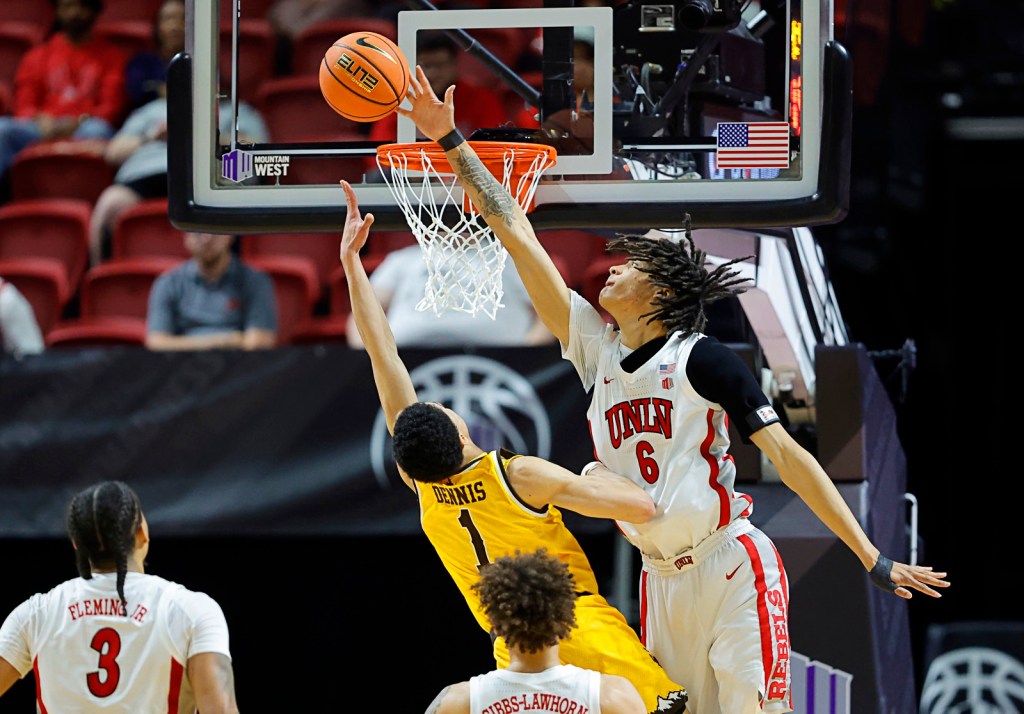
What Evaluators Mean by “Length”
In scouting terminology, length refers to how effectively a player can:
• extend their reach defensively and offensively
• contest shots and alter plays without fouling
• cover ground and recover within defensive actions
• impact passing lanes and disrupt timing
Two players may be the same height, but the player with greater length will often influence the game more consistently due to their extended reach and positional coverage.
Length becomes a multiplier when paired with awareness and effort.
Scouting Breakdown: How Length Shows Up
Evaluators identify length through repeatable, functional traits observed on film.
📏 Physical Indicators
• long arms and extended wingspan
• standing reach that exceeds positional averages
• frame that supports continued development
🛡 Defensive Impact
• ability to contest shots without leaving the ground
• disruption of passing lanes through deflections and steals
• recovery range when beaten off the dribble
📐 Positional Versatility
• ability to guard multiple positions
• switching capability across different matchups
• effectiveness in help-side defensive rotations
🔄 Play Extension
• finishing over defenders at the rim
• creating second-chance opportunities
• altering shots and possessions through reach alone
These traits allow players to impact the game even when they are not the most athletic or skilled on the floor.
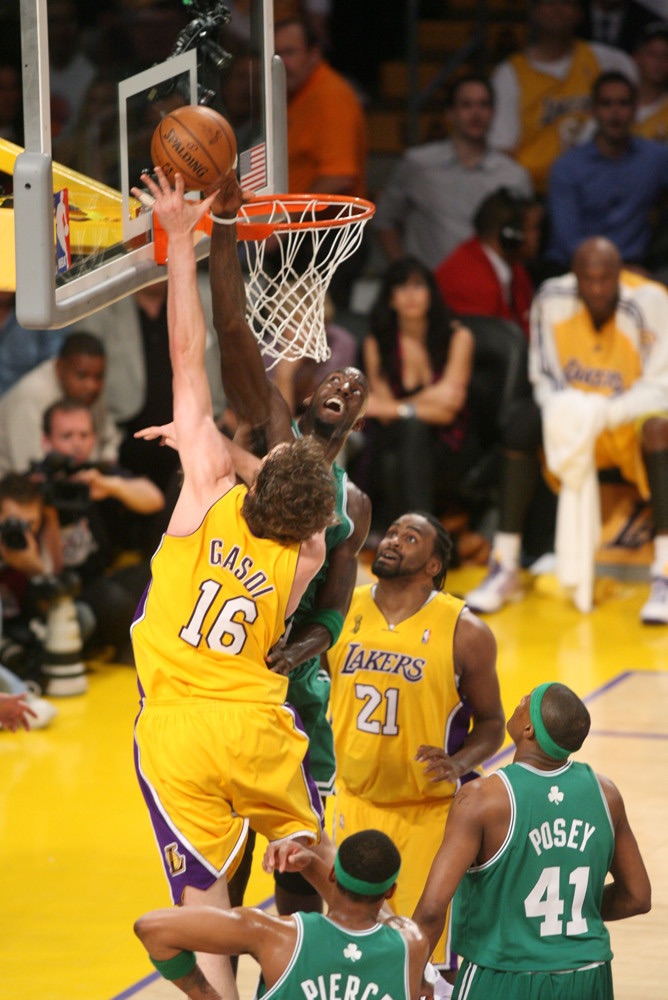
Length in Game Application
Inside evaluation settings, length is often referenced in ways such as:
• “His length affects everything defensively.”
• “She plays bigger than her size because of her reach.”
• “That wingspan allows him to guard multiple positions.”
These observations reflect how length translates into functional impact, particularly on the defensive end.
Players with length are often able to:
• contest shots without fouling
• disrupt offensive rhythm
• create turnovers through natural reach
Why Length Matters in Evaluation
Length is a scalable and projectable tool.
It translates across levels of basketball and becomes increasingly valuable as competition improves.
Players with effective length can:
• defend at a higher level without elite athleticism
• extend possessions through rebounds and deflections
• finish plays above or around defenders
• remain impactful within structured systems
Even in early development stages, players with length often stay on the floor because of their defensive range and positional value.
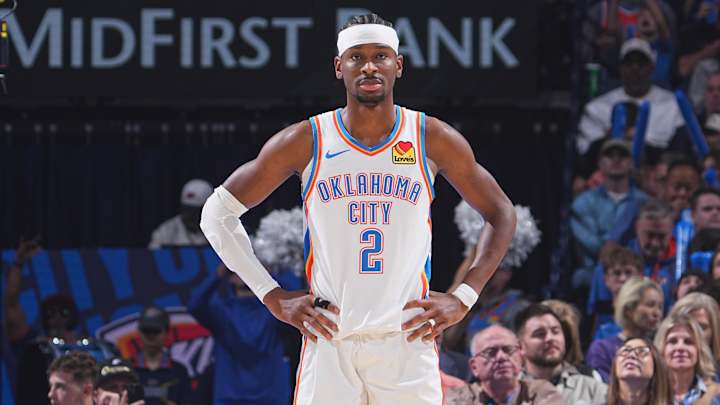
What Length Is Not
It is important to separate length from common misconceptions:
• Length is not the same as height — it is about reach and frame
• It is not athleticism or vertical explosiveness
• It does not guarantee production without discipline and awareness
Length must be applied with intent to become a functional advantage.
Development Perspective (Players & Families)
For players with natural length, development should focus on functional use of physical tools.
Key areas of focus include:
• maintaining active hands and defensive positioning
• learning to contest without fouling
• improving mobility and coordination
• finishing plays through extension and control
Length is a valuable asset, but its impact depends on how effectively it is used within the game.
Final Evaluation Perspective
Length is one of the most influential physical traits in basketball evaluation because it directly affects how much of the game a player can control without requiring high usage.
It changes matchups, expands defensive range, and creates opportunities on both ends of the floor.
For evaluators, length is not just a measurement — it is a tool that can extend a player’s impact across every possession.
At Unit 1 Hoop Source, we don’t chase noise — we study film, define roles, and project truth.
Editorial Disclaimer (Unit 1 Hoop Source)
All evaluations, scouting reports, and features published by Unit 1 Hoop Source are based on firsthand observations, verified film review, and trusted sources. Our content reflects authentic, original journalism and is intended to provide accurate, fact-checked insight for players, families, coaches, and evaluators.
© 2026 Kim Muhammad | Unit 1 Hoop Source. All Rights Reserved.
This article and all written content on this platform are protected under U.S. Copyright Law (Title 17, United States Code).
No part of this material may be copied, reproduced, republished, distributed, or used in any form without prior written consent from the author. Violators will be subject to civil and criminal penalties.
For permissions or licensing inquiries, contact:
u1hoop@gmail.com
 Unit 1 Hoop Source