
In basketball evaluation, athleticism is one of the most important — and most misunderstood — traits.
It is not just speed or vertical ability.
Athleticism refers to a player’s ability to apply physical tools within the flow of the game, impacting how they move, react, recover, and compete on both ends of the floor.
As competition rises, athleticism becomes a separator — not because it looks impressive, but because it creates real advantages in real time.
What Evaluators Mean by “Athleticism”
In scouting terminology, athleticism is the combination of physical traits that allow a player to function effectively under game conditions.
Evaluators study athleticism through a player’s ability to:
• generate burst and acceleration
• change direction and defend space
• maintain balance and control at speed
• absorb and play through contact
• elevate and finish above defenders
Athleticism is most valuable when it shows up consistently within live action.
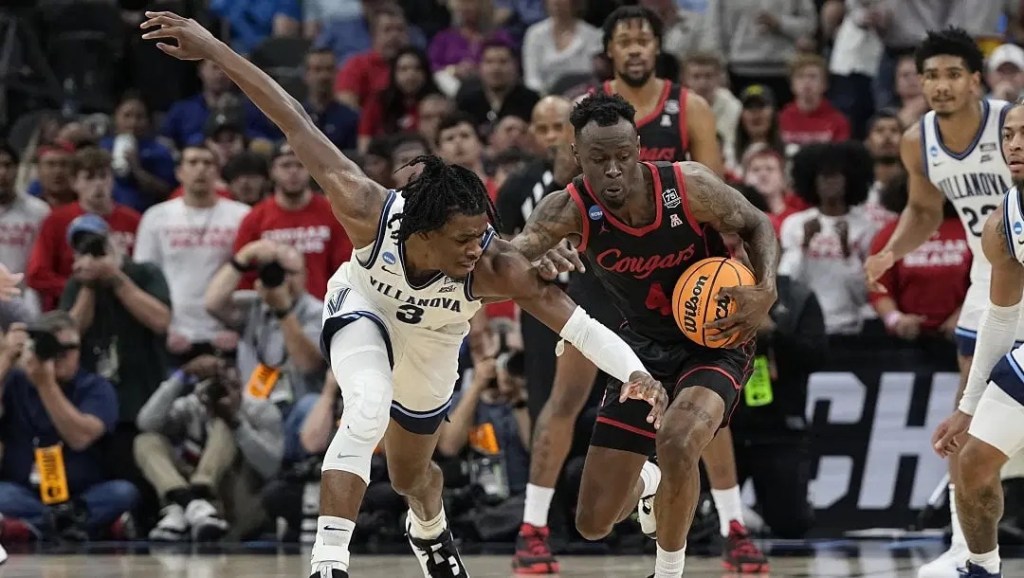
Scouting Breakdown: How Athleticism Shows Up
High-level athleticism is identified through multiple functional traits working together.
⚡ Explosiveness
• first step separation
• quick elevation
• attacking small windows
↔️ Lateral Mobility
• defensive slides
• closeouts and recovery
• guarding space under pressure
🕴 Body Control
• finishing through contact
• adjusting mid-air
• maintaining balance at speed
💪 Strength
• playing through physicality
• holding defensive position
• absorbing contact without losing control
⬆️ Vertical Ability
• finishing above the rim
• contesting shots
• second-jump activity
These traits must translate into actual game impact to carry value.
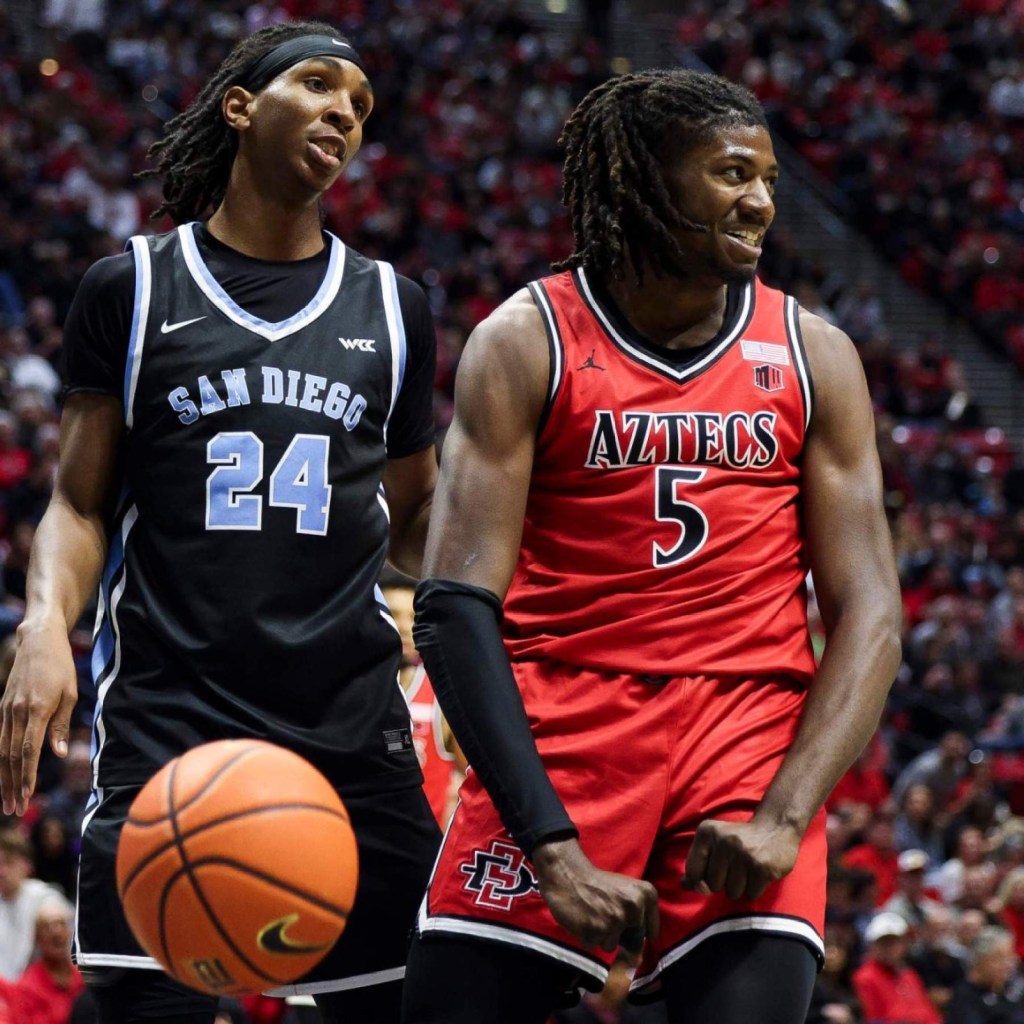
Why Athleticism Matters in Evaluation
At higher levels of basketball, where skill is more consistent across players, athleticism can create separation.
Athletic players can:
• get downhill against defenders
• recover defensively in space
• elevate over length and traffic
• defend multiple positions
• make plays in tight windows
Athleticism also increases a player’s margin for error, allowing them to stay effective while continuing to develop their skill set.
What Athleticism Is Not
• Athleticism is not just vertical ability
• It is not conditioning or being in shape
• It does not guarantee production
• It does not replace skill, feel, or discipline
Raw athletic tools must be developed and applied correctly to translate.
Development Perspective (Players & Families)
Players with natural athletic ability must learn to apply those tools within the structure of the game.
Development should focus on:
• playing with control at speed
• defending with balance and discipline
• finishing through contact
• improving coordination and timing
• understanding when to apply physical advantages
Athleticism creates opportunity — but development determines sustainability.
Final Evaluation Perspective
Athleticism is not just a physical trait — it is a functional tool.
For evaluators, the focus is not how athletic a player appears, but how effectively those physical tools translate into consistent impact within the game.
At Unit 1 Hoop Source, we don’t chase noise — we study film, define roles, and project truth.
Editorial Disclaimer:
All evaluations, scouting reports, and features published by Unit 1 Hoop Source are based on firsthand observations, verified film review, and trusted sources. Our content reflects authentic, original journalism and is intended to provide accurate, fact-checked insight for players, families, coaches, and evaluators.
© 2026 Kim Muhammad | Unit 1 Hoop Source. All Rights Reserved.
This article and all written content on this platform are protected under U.S. Copyright Law (Title 17, United States Code).
No part of this material may be copied, reproduced, republished, distributed, or used in any form without prior written consent.
 Unit 1 Hoop Source