
Introduction: The Trait You See… But Don’t Always Understand
There are certain traits in basketball that are easy to identify the moment you walk into a gym.
Size. Length. Athleticism.
They’re visible. Immediate. Obvious.
But there are other traits—just as important, if not more—that require time, attention, and a trained eye to fully understand.
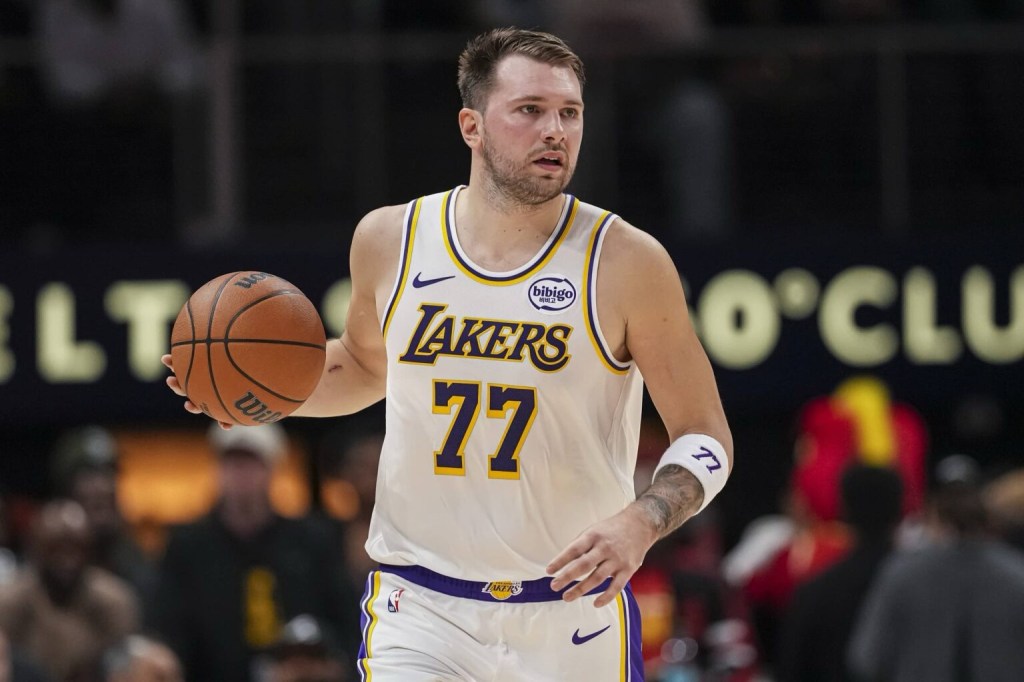
Pace is one of them.
It doesn’t always show up in a stat sheet.
It won’t always jump off a highlight reel.
And to the untrained eye, it can be mistaken for something else entirely.
But at the NCAA Division I men’s basketball and professional level, pace is one of the clearest indicators of a player’s ability to function within structure, handle pressure, and translate their game upward.
At Unit 1 Hoop Source, we don’t just identify players—we define the traits that make them effective.
And in today’s game, where speed is everywhere, pace is what separates players who survive… from players who control outcomes.
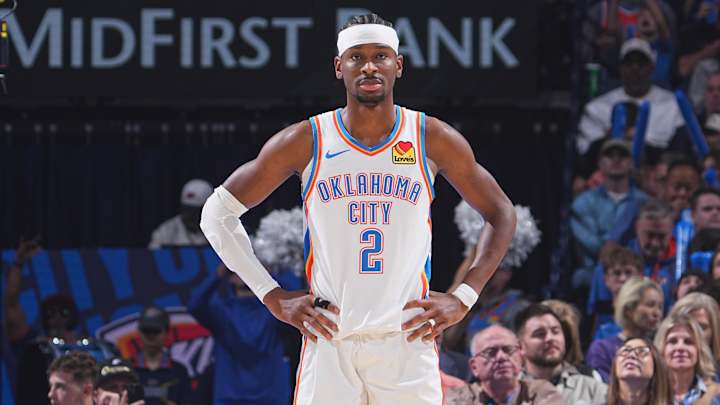
Term: Pace
Category: Game Control / Decision-Making
🧠 What Pace Really Means
Pace is the ability to control tempo, timing, and rhythm—while under defensive pressure and within live game decisions.
Not just for yourself—but within the flow of all ten players on the floor.
Pace is not about how fast you play.
It’s about how well you control speed.
A player with pace understands:
- When to accelerate
- When to decelerate
- When to pause
- When to attack
And most importantly…
👉 How to stay composed when everything around them is speeding up.
🧪 Scouting Breakdown: What Evaluators Are Actually Watching
When experienced evaluators reference “pace,” they’re identifying specific, repeatable behaviors:
- Change of speed (slow → fast → slow)
- Composure under pressure
- Ability to keep the dribble alive
- Timing and hesitation to manipulate defenders
- Decision-making without forcing action
A guard with pace doesn’t just beat defenders—he controls them.
A wing with pace doesn’t over-dribble—he creates angles efficiently.
A big with pace doesn’t rush—he plays through contact with patience and balance.
This is where evaluation separates itself—because pace doesn’t show up in drills, it reveals itself in decisions.
📊 Evaluation Language: How It Shows Up
“He’s not the most explosive athlete, but his pace is elite. He controls defenders, plays under control, and gets to his spots without forcing the game.”
That statement signals something deeper than athleticism:
👉 Control. Feel. Translation.
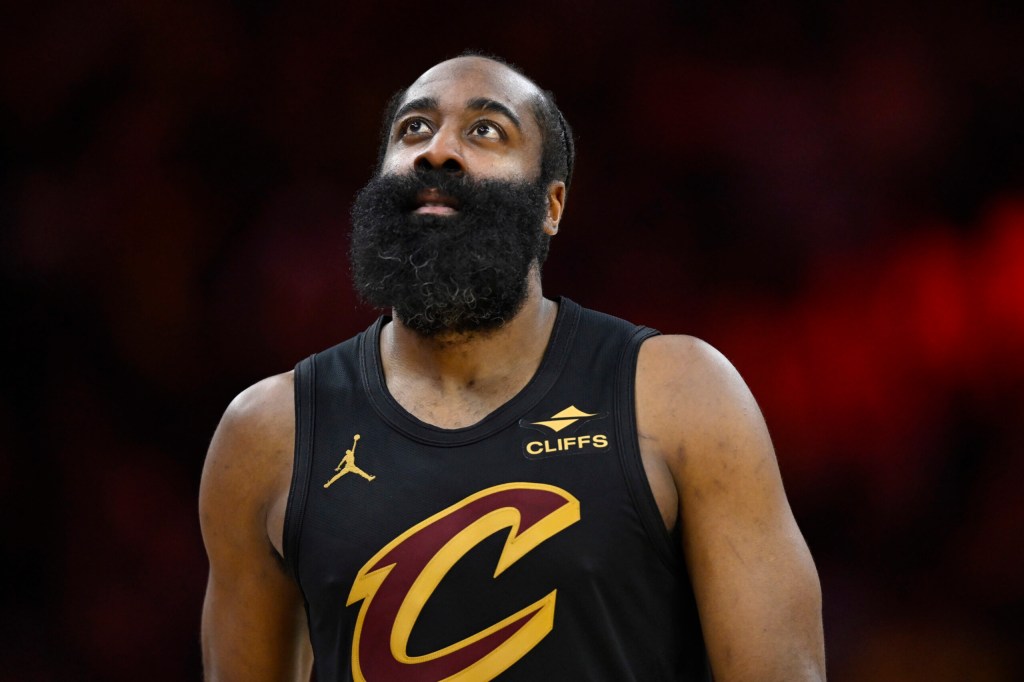
🧱 Why Pace Matters More as the Game Advances
As players move up levels:
- Defenders get faster
- Rotations get sharper
- Windows get smaller
At lower levels, speed can cover mistakes.
At higher levels, speed without control becomes a liability.
Pace becomes essential for:
- Pick-and-roll reads
- Game management
- Turnover reduction
- Efficient shot creation
At higher levels, playing fast without pace doesn’t speed the game up—it gets you off the floor.
The best players don’t play faster…
👉 They control the pace of the game—and force others to adjust.
🔑 What Pace Is NOT
To properly evaluate pace:
- It’s not playing slow
- It’s not walking the ball up
- It’s not passive
Pace is controlled aggression.
It’s playing at your rhythm—while disrupting the defender’s.
💡 Development Insight
If a player:
- Gets sped up
- Forces decisions
- Loses control in traffic
That’s not just skill…
👉 That’s a pace issue.
And it can be developed through:
- Change-of-speed training
- Film study
- Live reps under pressure
- Situational decision-making
When pace improves…
👉 The game slows down.
✍🏽 Final Evaluation Take
Pace is the separator between players who react to the game—and players who dictate it.
It is not a luxury skill. It is a translation skill.
Because at the highest levels of basketball, the game doesn’t reward speed alone—
👉 It rewards control under pressure.
At Unit 1 Hoop Source, we don’t chase noise — we study film, define roles, and project truth.
Editorial Disclaimer (Unit 1 Hoop Source):
All evaluations, scouting reports, and features published by Unit 1 Hoop Source are based on firsthand observations, verified film review, and trusted sources. Our content reflects authentic, original journalism and is intended to provide accurate, fact-checked insight for players, families, coaches, and evaluators.
© 2026 Kim Muhammad | Unit 1 Hoop Source. All Rights Reserved.
Protected under U.S. Copyright Law.
Contact: u1hoop@gmail.com
 Unit 1 Hoop Source