
There are championship games, and then there are economic systems disguised as championship games.
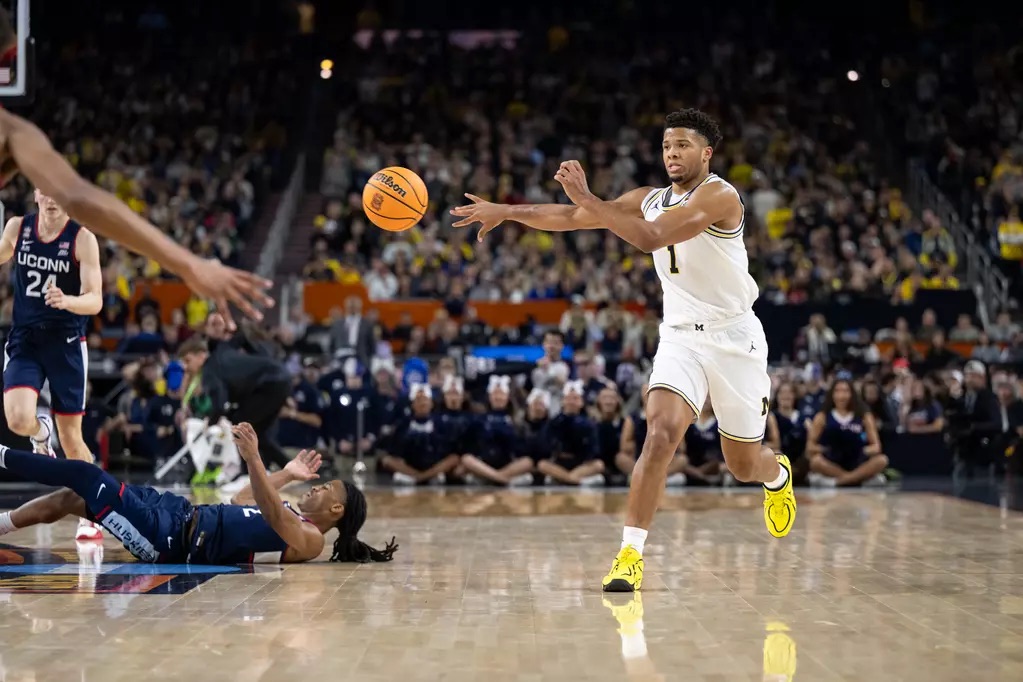
The 2026 NCAA Division I Men’s Basketball Championship—where Michigan defeated UConn 69–63 inside Lucas Oil Stadium—was the final moment of celebration. But the real story had already been written long before the confetti fell. This was not just a title game. It was the closing act of a tournament that remains the NCAA’s most powerful financial engine.
The NCAA tournament does not simply monetize basketball. It monetizes attention. And in 2026, attention remained one of the most valuable commodities in sports.
The structure behind that reality is clear. The NCAA’s Division I Men’s Basketball Tournament sits at the center of a long-term media rights agreement with CBS and Warner Bros. Discovery, a deal that delivers well over $1 billion annuallyacross the association’s media ecosystem. The championship game is not a standalone financial event. It is the peak moment within a system that is built to generate, package, and distribute value across an entire tournament cycle.
And in 2026, the audience validated that structure.
Michigan’s 69–63 victory over UConn averaged 18.3 million viewers, peaking at approximately 20.4 million, making it the most-watched national championship game since 2019. The tournament itself averaged roughly 10.9 million viewers, reinforcing its position as one of the few sporting events capable of delivering mass, real-time attention in a fragmented media environment.
That level of visibility is not just a metric. It is leverage.
It is what allows the NCAA tournament to function as a premium advertising platform year after year. In 2026, demand remained strong, with major brands continuing to invest heavily in one of the last remaining properties that can guarantee national reach at scale. The championship game, in that sense, is not just watched—it is monetized at the highest level of the sports media marketplace.
But the true complexity of the system reveals itself in how that money moves.
Unlike most sporting events, the NCAA tournament operates on a distribution model built around “units,” a structure that ties financial value directly to on-court success. Each game played in the tournament earns a unit for a conference, and those units are paid out over a six-year cycle. While exact values fluctuate slightly year to year, each unit is worth several hundred thousand dollars annually, totaling roughly $2 million or more over time.
In 2026, that structure evolved.
For the first time, the NCAA expanded its unit system to include additional financial rewards tied to advancement through the Final Four and national championship stages. That shift matters. It means the deepest rounds of the tournament—once primarily symbolic in terms of prestige—now carry increased direct financial impact for conferences.
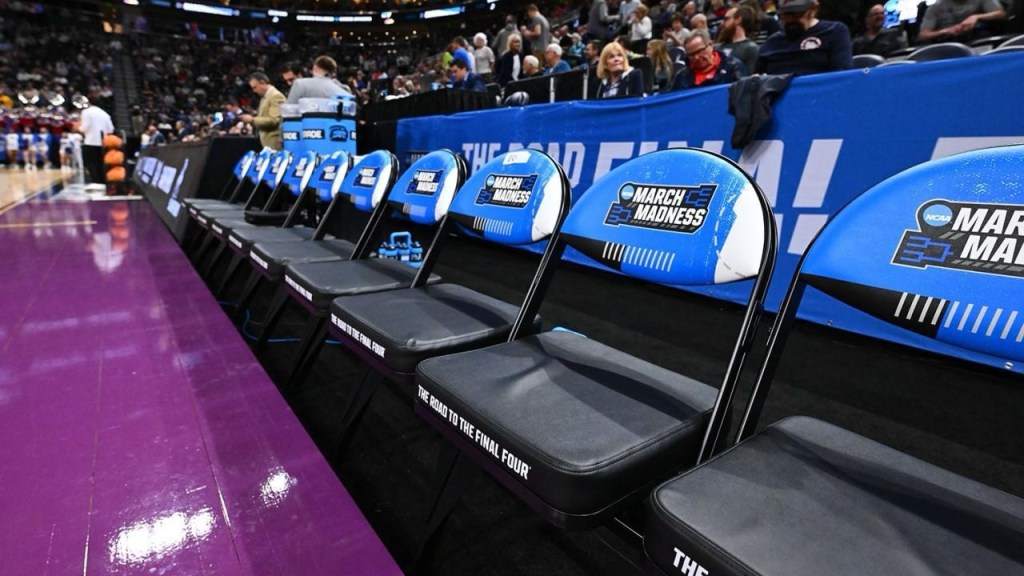
The championship, therefore, is no longer just the end of the bracket. It is a revenue amplifier.
This is where the industrial nature of March Madness becomes impossible to ignore.
The NCAA redistributes a significant portion of its tournament-driven revenue back to Division I conferences and institutions, creating a cycle where performance fuels funding, and funding sustains programs across the country. The tournament generates centralized wealth, but it does not stay centralized. It flows outward, reinforcing the structure of college basketball at every level.
Beyond the institutional level, the economic footprint expands even further.
Host cities like Indianapolis, which staged the 2026 Men’s Final Four, experienced an influx of tens of thousands of visitors, generating hundreds of millions of dollars in local economic activity tied to tourism, hospitality, and event-related spending. The championship may last forty minutes on the floor, but its economic impact stretches across an entire city for days.
This is what separates the NCAA tournament from most sporting events.
It is not just a competition. It is an ecosystem.
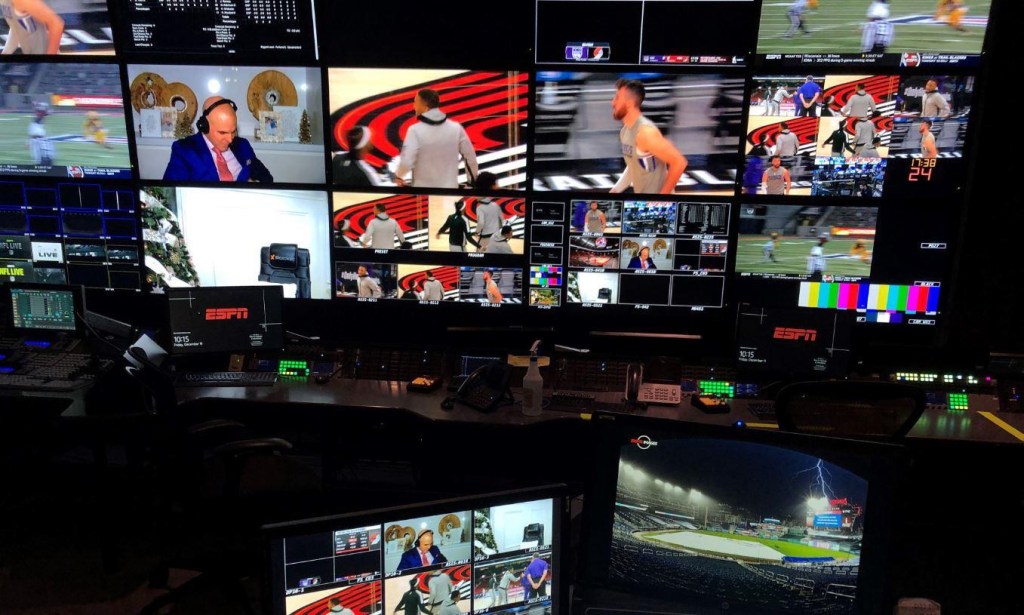
The 2026 national championship did not generate value in a single lane. It generated value across multiple layers—media rights, advertising demand, conference distribution, and local economic impact—all operating simultaneously within one unified system.
At its highest level, the takeaway is simple:
The game decides the champion.
The system drives the business.
And in 2026, that system once again proved why the NCAA Division I Men’s Basketball Tournament remains one of the most powerful economic engines in sports.
At Unit 1 Hoop Source, we don’t chase noise — we study film, define roles, and project truth.
Editorial Disclaimer (Unit 1 Hoop Source):
All evaluations, scouting reports, and features published by Unit 1 Hoop Source are based on firsthand observations, verified film review, and trusted sources. Our content reflects authentic, original journalism and is intended to provide accurate, fact-checked insight for players, families, coaches, and evaluators.
© 2026 Kim Muhammad | Unit 1 Hoop Source. All Rights Reserved.
This article and all written content on this platform are protected under U.S. Copyright Law (Title 17, United States Code).
No part of this material may be copied, reproduced, republished, distributed, or used in any form without prior written consent from the author. Violators will be subject to civil and criminal penalties.
For permissions or licensing inquiries, contact: u1hoop@gmail.com
 Unit 1 Hoop Source