
How the transfer portal era has turned Division II roster building into one of the hardest jobs in college basketball
There was once a time when Division II basketball programs could build with patience.
Coaches identified overlooked high school players. They developed junior college transfers. They invested years into player growth. They built culture through continuity.
That formula helped many Division II programs sustain long-term success.
Today, that stability has become increasingly difficult to maintain.
The modern transfer portal era has quietly reshaped Division II basketball in ways many fans rarely discuss. While national headlines often focus on major Division I commitments, NIL deals, and high-profile coaching moves, another reality continues unfolding underneath the surface of college basketball.
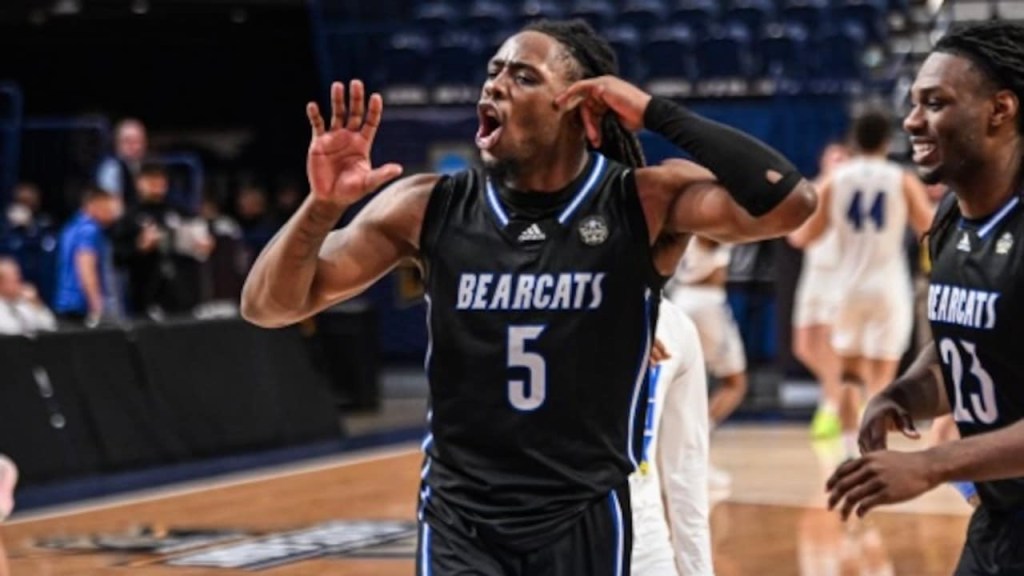
Division II programs are now being forced into yearly roster reconstruction.
And in many cases, those rebuilds happen unexpectedly.
A player develops into an All-Conference performer.
He leaves for Division I.
A veteran leader graduates.
A rotational player enters the portal seeking a larger role.
An international prospect returns home.
A junior college transfer outperforms expectations and suddenly gains Division I attention.
Within weeks, a roster that once looked stable can become fragmented.
For Division II coaches, this has become one of the most difficult balancing acts in modern college basketball.
Not because they lack talent evaluation.
Not because they lack relationships.
But because the timeline of roster stability has fundamentally changed.
Division II Has Quietly Become a Development Pipeline
This may be one of the most uncomfortable truths within college basketball.
Division II programs are increasingly becoming developmental launching pads for players seeking Division I opportunities.
That reality creates a difficult paradox.
Great coaching often leads to roster instability.
The better a staff develops overlooked talent, the more visible those players become to higher-level programs.
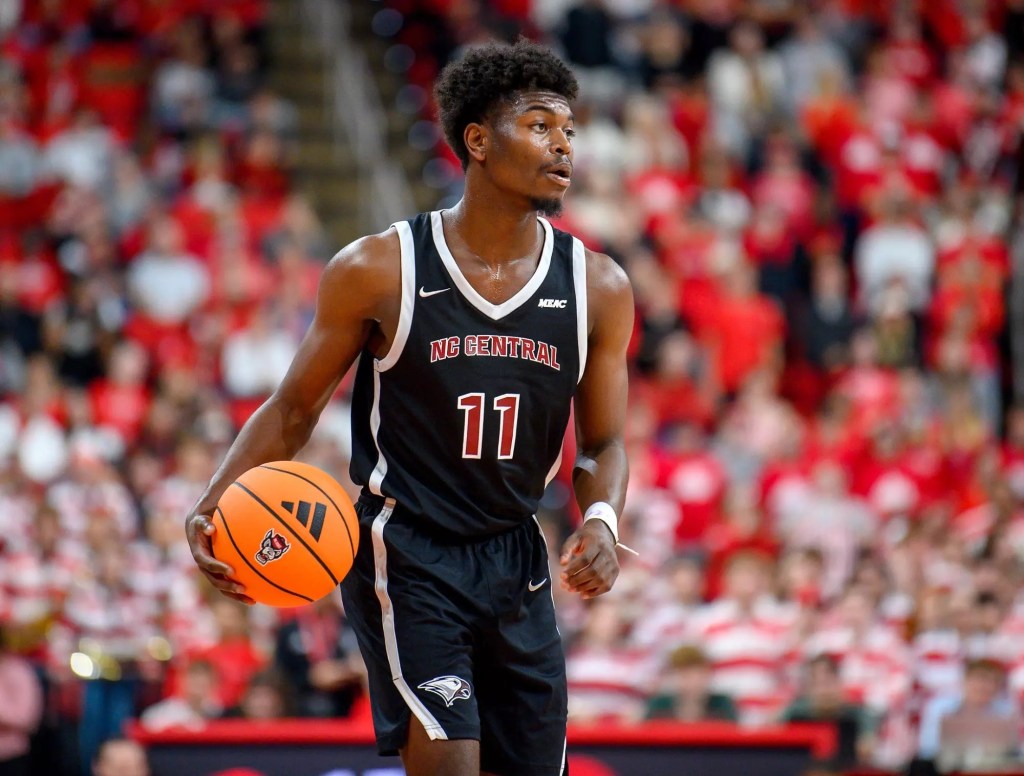
Former D2 player
A player averages:
17 points per game
8 rebounds
All-conference recognition
Strong efficiency numbers
Suddenly, Division I programs begin calling.
That player may leave in pursuit of:
- NIL opportunities
- stronger conference exposure
- professional visibility
- personal growth opportunities
And while those opportunities may be justified for the athlete, Division II coaching staffs are often left restarting the evaluation process all over again.
This cycle continues repeating across the country.
Quietly.
Consistently.
Relentlessly.
Coaches Are Recruiting Their Own Locker Room
This may be the most misunderstood reality in today’s basketball landscape.
Recruiting no longer ends when a player signs.
Now coaches must constantly recruit:
their incoming class
junior college players
transfer portal prospects
international prospects
while simultaneously recruiting the players already sitting in their own locker room.
Retention has become its own form of recruiting.
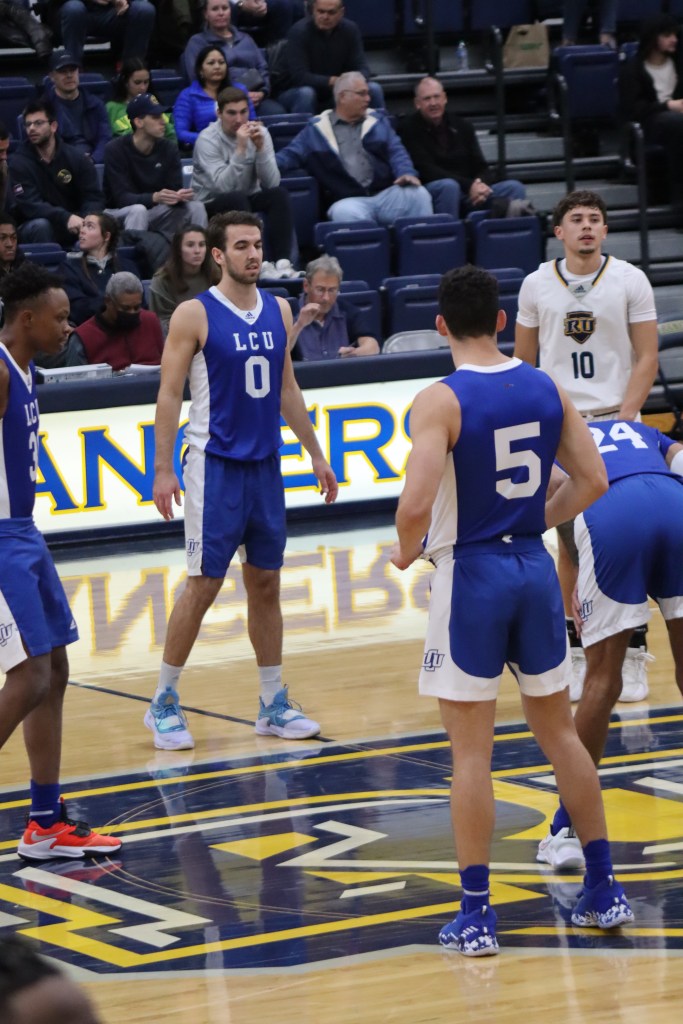
Unit 1 Hoop Source
Conversations that once happened during offseason check-ins have now become year-round relationship management.
Coaches are constantly asking:
Are my returning players happy?
Do they feel valued?
Are outside programs contacting them?
Will they remain committed to our vision?
This is not the traditional model many coaches built their careers around.
Yet it has become today’s reality.
The Junior College Pipeline Has Changed
For years, junior college basketball served as a major recruiting avenue for Division II programs.
That landscape has shifted dramatically.
Division I programs now recruit junior college players more aggressively than ever.
The transfer portal has also created a crowded marketplace where coaches are evaluating:
former Division I players
international prospects
high school late bloomers
junior college standouts
all at the same time.
The recruiting board has become significantly more complicated.
And at the Division II level—where resources are often more limited—missing on evaluations can set programs back quickly.
When Do Coaches Actually Know Their Team?
This answer may surprise casual fans.
Many coaches do not truly know what their final roster looks like until late spring—or even summer.
Portal decisions happen late.
Academic clearances can delay commitments.
International paperwork can create uncertainty.
Late transfers still emerge.
Unexpected departures happen.
Verbal commitments change.
The public often believes roster construction ends once social media commitment graphics are posted.
That couldn’t be further from reality.
Behind closed doors, coaches are still adjusting scholarship numbers, evaluating positional needs, and trying to create roster balance.
That process can extend far longer than most people realize.
Roster Construction Is More Than Collecting Talent
This is where strong coaching staffs separate themselves.
The challenge is no longer simply finding talented players.
It’s finding players who fit.
Who accepts role definition?
Who can defend within structure?
Who can adapt?
Who understands winning basketball?
Who enhances chemistry?
Every player who enters a program impacts the locker room.
The wrong fit can create setbacks.
The right fit can accelerate winning.
That evaluation pressure has grown dramatically.
The Emotional Cost Coaches Rarely Discuss
This side rarely receives attention.
Coaches build real relationships with players.
They invest time into development.
They help athletes grow both on and off the floor.
Then sometimes those same players leave as quickly as they emerged.
That emotional toll can be significant.
Not because coaches are against player advancement.
Most genuinely support athletes pursuing better opportunities.
But constant turnover creates emotional fatigue.
And it makes long-term culture building significantly harder.
The New Reality of Division II Basketball
Division II basketball remains one of the purest forms of competition in the country.
There are elite coaches.
High-level talent.
Strong developmental environments.
And incredible stories that deserve far more attention.
But the modern roster-building model has changed.
And coaches are adapting in real time.
Some are surviving.
Some are thriving.
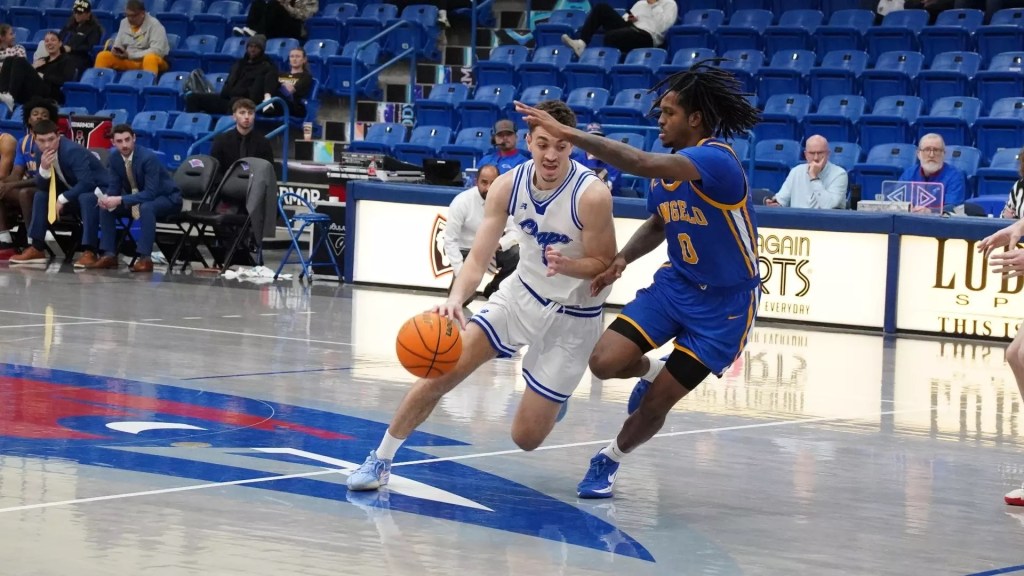
Lubbock Christian Athletics
Some are learning just how difficult annual reconstruction can become.
The public sees commitments.
The public sees transfers.
The public sees roster announcements.
What they rarely see are the countless late-night phone calls, evaluations, retention conversations, and difficult decisions that happen behind the scenes.
And that may be one of the most overlooked stories in modern college basketball.
Because in today’s era, Division II coaches are no longer simply building programs.
They’re rebuilding them year after year.
And they’re doing it under pressure very few truly understand.
Final Evaluation
The programs that survive this era won’t always be the ones with the biggest budgets or loudest social media presence.
They’ll be the programs with the strongest evaluators.
The coaches who understand fit.
The leaders who retain culture.
The staffs who can identify overlooked value before the rest of the market catches up.
That is the new reality of Division II basketball.
And it deserves far more attention than it receives.
At Unit 1 Hoop Source, we don’t chase noise — we study film, define roles, and project truth.
Editorial Disclaimer
All evaluations, scouting reports, and features published by Unit 1 Hoop Source are based on firsthand observations, verified research, and trusted sources. Our content reflects authentic, original journalism intended to provide accurate insight for players, coaches, executives, and serious basketball minds.
© 2026 Kim Muhammad | Unit 1 Hoop Source. All Rights Reserved.
 Unit 1 Hoop Source